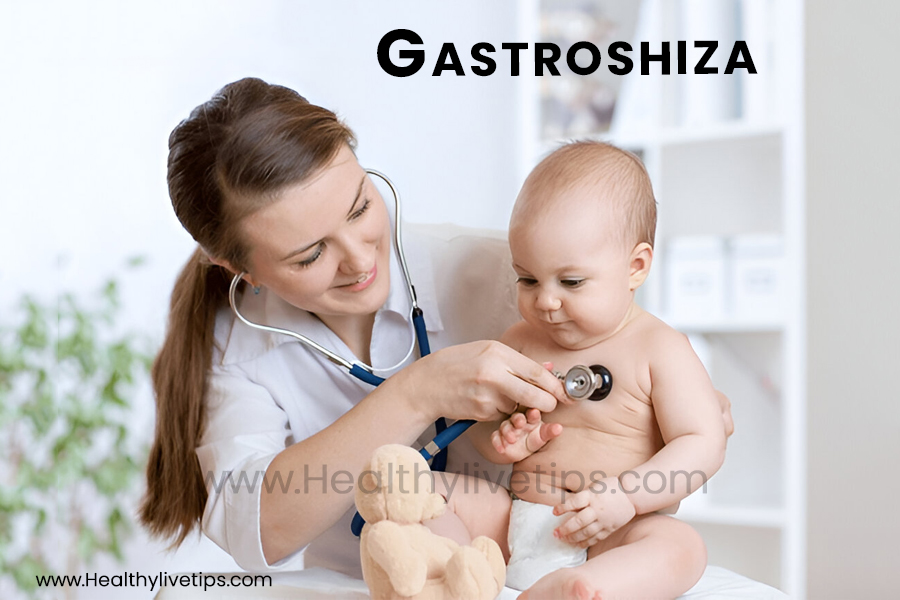
Gastroshiza is a serious birth defect that affects newborns. It occurs when a baby is born with an opening in the abdominal wall. This opening usually appears near the belly button, allowing internal organs such as the intestines or liver to protrude outside the body. Doctors do not fully understand the exact cause, but it is a congenital condition that develops during pregnancy.
Early medical intervention can make a significant difference. Advances in prenatal care and neonatal surgery have greatly improved outcomes for babies born with gastroshiza. This article explains gastroshiza in detail, covering its causes, symptoms, diagnosis, treatment, recovery, and long-term care. By learning about the condition, parents, caregivers, and healthcare providers can better support affected infants.
What is Gastroshiza?
Gastroshiza is a congenital defect in which the abdominal wall fails to close properly, causing the baby’s organs to protrude. Unlike some other abdominal defects, gastroshiza usually occurs to the right of the umbilical cord and has no protective membrane. Because the organs are exposed, they face a higher risk of infection and injury, making immediate medical care essential after birth.
The condition is uncommon, but its prevalence has slightly increased in recent decades. Researchers are studying genetic and environmental factors that might contribute to its development. Understanding gastroshiza is important for expecting families and healthcare professionals who provide timely care.
Causes and Risk Factors
Doctors do not know the exact cause of gastroshiza, but studies suggest both genetic and environmental factors play a role. Common risk factors include:
- Genetic predisposition: Certain gene mutations may affect abdominal wall development in the fetus.
- Maternal age: Women under 20 or over 40 may face a slightly higher risk.
- Lifestyle factors: Smoking, alcohol, and certain medications or chemicals during pregnancy can increase the risk.
- Nutritional deficiencies: Lack of essential nutrients, especially folic acid, may contribute to the defect.
While you cannot always prevent gastroshiza, knowing these risk factors allows parents and healthcare providers to take proactive steps to reduce complications.
Symptoms and Early Detection
Gastroshiza can often be detected during prenatal ultrasounds, typically between 18 and 22 weeks. The main sign is abdominal organs protruding through the fetal abdominal wall.
At birth, doctors may notice:
- Visible intestines or organs outside the baby’s body
- Absence of a protective membrane over the organs
- Potential digestive complications
Early detection is crucial for immediate care, which may involve surgery and specialized neonatal support to prevent infection or further damage.
Diagnosis and Medical Tests
Early and accurate diagnosis improves outcomes for babies with gastroshiza.
1. Prenatal Detection
- Ultrasound: Most cases are visible in routine second-trimester ultrasounds.
- Fetal MRI: Provides detailed views of the defect and helps plan treatment.
- Blood Tests: Maternal alpha-fetoprotein (AFP) levels may indicate increased risk, prompting further testing.
2. Postnatal Evaluation
- Physical Exam: Doctors assess the exposed organs for damage or infection.
- Imaging: X-rays or ultrasounds examine organ positioning and function.
- Genetic Testing: Identifies potential chromosomal or genetic abnormalities.
Accurate diagnosis ensures timely surgical intervention and reduces complications.
3. Treatment Options
Treatment of gastroshiza focuses on protecting organs and repairing the abdominal wall. Surgery is almost always necessary.
4. Immediate Care
- Protecting organs: Cover exposed organs with sterile materials.
- Stabilization: Provide fluids, antibiotics, and temperature management.
- Nutrition: Intravenous feeding until the baby can eat normally.
5. Surgical Repair
- Primary closure: Small defects may be closed immediately.
- Staged repair: Larger defects use a sterile pouch (silo) to gradually return organs to the abdomen before final closure.
- Postoperative monitoring: NICU care ensures the baby recovers safely.
6. Long-Term Care
Even after surgery, babies may need:
- Nutritional monitoring
- Physical therapy to strengthen abdominal muscles
- Follow-ups with pediatric specialists
Most babies survive and thrive with proper care, though some may face mild digestive or growth challenges.
Postoperative Care and Recovery
Recovery after gastroshiza surgery requires specialized neonatal care.
- NICU Monitoring: Vital signs, organ function, and wound healing are closely observed.
- Infection Prevention: Sterile environments and antibiotics protect the baby.
- Respiratory Support: Oxygen or ventilator support may be needed if the abdominal cavity was compressed.
- Nutrition: Babies start with intravenous nutrition, then gradually transition to oral feeding.
- Physical Rehabilitation: Gentle exercises help develop abdominal muscles.
- Scar Care: Parents learn to care for scars to reduce complications.
Recovery usually takes weeks to months, depending on severity. Most infants thrive with proper care.
Long-Term Outlook
With modern treatment, most children with gastroshiza lead healthy lives.
- Digestive Health: Some may experience mild digestive issues.
- Physical Development: Regular follow-ups ensure strong abdominal muscles.
- Other Anomalies: Some may need additional medical care.
Emotional support helps families cope during recovery. Children can participate in school, sports, and regular activities with minimal restrictions. Lifelong monitoring ensures continued health.
Prevention Tips
While gastroshiza is not always preventable, parents can take steps to lower risks:
- Nutrition: Take folic acid and essential vitamins.
- Avoid Harmful Substances: No smoking, alcohol, or unprescribed medications.
- Prenatal Care: Regular check-ups detect issues early.
- Genetic Counseling: Useful for families with a history of birth defects.
- Specialized Delivery: Babies should be born in hospitals with NICU and pediatric surgical teams.
- Emotional Support: Join parent groups and learn about the condition.
Research and Advances
Medical research continues to improve survival and recovery:
- Prenatal Imaging: High-resolution ultrasounds and fetal MRIs detect defects earlier.
- Surgical Techniques: Minimally invasive and staged repairs improve outcomes.
- NICU Innovations: Better infection control and nutrition reduce mortality.
- Genetic Studies: Research aims to identify risk factors and prevent future cases.
Expert Advice
- Deliver in hospitals with neonatal surgical teams.
- Follow structured feeding plans post-surgery.
- Monitor for associated congenital issues.
- Provide emotional support and access to parent networks.
- Stay informed on medical advancements.
Conclusion
Gastroshiza is a serious congenital condition, but early detection and modern surgery make survival and healthy development possible. Parents and caregivers play a key role in supporting recovery and ensuring proper growth. Ongoing research promises even better outcomes in the future. Awareness, preparation, and expert guidance empower families to face gastroshiza confidently.
Don’t miss out on any news—keep in touch for real-time information, visit: Healthy Live Tips