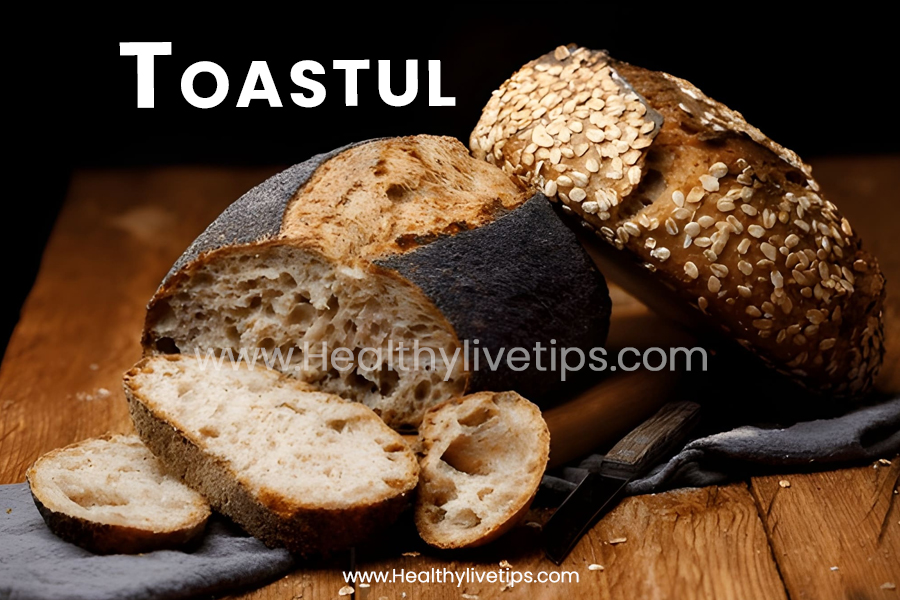
Toastul is more than just a slice of bread; it’s a movement, a mindset, and a delicious revolution in how people view the simplest of foods. In today’s culinary landscape, where creativity meets comfort, toastul has emerged as the next big thing — transforming everyday toast into an expressive canvas for art, nutrition, and global culture. Whether you’ve seen it in cafés, on social media feeds, or in trendy breakfast menus, the rise of toastul represents how food can become both an experience and a lifestyle.
At its core, toastul celebrates individuality and creativity. It isn’t just about what’s on your plate — it’s about how that plate tells a story. From avocado swirls and edible florals to vibrant fruit arrangements, this trend turns a common breakfast staple into a visual and sensory delight. And because it’s easy to create, healthy to enjoy, and beautiful to share online, toastul has quickly evolved into a symbol of the modern food aesthetic — one that blends art, wellness, and digital culture into a single slice.
What Is Toastul?
Toastul is the art of turning toast into something extraordinary — a culinary philosophy that transforms the humble slice of bread into a platform for flavor, design, and self-expression. It goes beyond topping toast with butter or jam. Instead, it invites people to experiment with colors, textures, and tastes to create edible masterpieces that reflect their mood, personality, and creativity.
Unlike traditional toast, toastul celebrates variety. Every creation is different — some focus on minimalism and symmetry, while others embrace chaos and color. The key is imagination. Whether it’s a savory base like avocado, smoked salmon, or hummus, or a sweet creation with nut butter, berries, and honey, toastul encourages people to play with ingredients and presentation.
But toastul isn’t just about appearance; it’s about balance. It emphasizes nutrition, freshness, and inclusivity, welcoming everyone — from vegans to gluten-free eaters. This movement encourages mindful eating, urging people to slow down and enjoy the process of making and savoring their creations.
In a world where food has become both a form of self-expression and a visual statement, toastul bridges the gap between nourishment and artistry.
The Origins of Toastul
The origins of toastul trace back to the rise of social media food culture, especially on platforms like Instagram and TikTok, where people began sharing beautifully crafted toast topped with vibrant ingredients. What started as a simple café experiment quickly turned into a viral sensation.
Chefs and home cooks began competing to design the most visually stunning toast — creating patterns, layering spreads, and using edible flowers and gold flakes. The hashtag #toastart gained millions of views, leading to the birth of a new subculture that appreciated the visual and creative potential of this basic food.
The word toastul itself combines “toast” with a modern, stylish suffix, symbolizing innovation, creativity, and the merging of tradition with trend. What began in small urban cafés soon spread globally — appearing in wellness blogs, art-inspired food exhibitions, and high-end restaurants that featured “toast of the month” specials.
The movement’s accessibility also fueled its popularity. Anyone with a slice of bread and a few ingredients could participate. It wasn’t about expensive tools or professional skills; it was about creativity and sharing something beautiful with the world.
As toastul evolved, it became part of a larger cultural shift — one that celebrates authenticity, self-care, and slow living through food. It transformed breakfast into a ritual of joy and mindfulness, proving that even the simplest meal can be a form of art.
The Art and Philosophy Behind Toastul
The philosophy behind toastul is rooted in three core values — creativity, well-being, and connection. It represents a lifestyle that celebrates the beauty of everyday moments.
-
Creativity Without Limits
In the world of toastul, there are no rules. Every slice is an open invitation to experiment with flavors and aesthetics. Some create minimalist designs — a swirl of yogurt and honey on rye — while others go bold with tropical fruits, edible flowers, and contrasting colors. This boundaryless creativity makes toastul more than a meal; it’s an artistic practice. -
Nutrition Meets Design
The toastul movement emphasizes that beauty and health can coexist. Each creation is built around nutrient-dense ingredients like whole-grain breads, avocados, nuts, seeds, fruits, and lean proteins. It’s not about empty calories; it’s about meals that look good and feel good. The focus on mindful combinations ensures a balance of flavor, texture, and nutrition. -
Mindful Eating and Joy
At a deeper level, toastul invites people to reconnect with their food. It encourages slowing down, paying attention to colors, textures, and aromas, and appreciating the act of creating something nourishing. This mindfulness element transforms eating from a routine task into a moment of joy and creativity. -
Cultural Fusion and Global Inspiration
Another fascinating aspect of toastul is its global adaptability. From Japanese matcha cream to Mediterranean tapenades, or Latin-inspired chorizo and queso fresco, every culture adds its unique twist. This cultural inclusivity makes toastul a universal food art form — diverse, adaptable, and endlessly inspiring.
Ultimately, toastul embodies the belief that food is a form of expression. It’s a statement of taste, aesthetics, and identity — one that anyone can participate in, regardless of age, skill, or background.
Toastul Styles and Variations
One of the most exciting parts of toastul is the incredible diversity it offers. There’s no single way to make it right — only endless possibilities waiting to be explored. Whether someone enjoys savory breakfasts, sweet afternoon bites, or international fusion flavors, toastul brings something unique to every table. Below are the most popular styles that define this creative movement.
1. Gourmet Savory Toastul
Savory versions of toastul often highlight wholesome ingredients and bold flavors. Think of avocado toast elevated with chili flakes, lemon zest, or microgreens. Another favorite includes smoked salmon layered with cream cheese swirls, pickled onions, and capers. Some chefs take it even further by adding poached eggs, grilled vegetables, or even truffle oil, turning a simple snack into a restaurant-worthy dish.
Savory toastul recipes are also perfect for those looking for a balanced, high-protein start to their day. With a mix of healthy fats, whole grains, and lean proteins, these toasts are as nourishing as they are beautiful.
2. Sweet Artistic Toastul
On the other hand, sweet toastul variations are pure joy — a dessert and breakfast rolled into one. From nut butter spreads topped with berries and honey drizzle to chocolate ganache adorned with edible glitter, this version celebrates indulgence with elegance. Some people love creating floral patterns with sliced fruits like kiwi, strawberry, and mango, while others prefer simple rustic combinations like ricotta cheese, honeycomb, and crushed nuts.
Sweet toastul is also a favorite among food photographers and influencers because of its vibrant visual appeal. It’s not just delicious — it’s picture-perfect.
3. Cultural Fusion Toastul
The global popularity of toastul owes much to its ability to adapt across cuisines. In Japan, matcha-infused spreads and sesame toppings have become signature elements. Mediterranean cafés love using olive tapenade, feta, and roasted peppers, while Latin American variations incorporate chorizo, avocado crema, and queso fresco.
This cultural flexibility turns toastul into a symbol of globalization in food — one that unites culinary traditions through a shared passion for creativity.
4. Minimalist and Aesthetic Toastul
Not all toastul creations are extravagant. The minimalist approach — a single ingredient perfectly placed — has its own charm. Simple designs with yogurt swirls, figs, or herbs on sourdough bread reflect a clean, modern aesthetic. This style resonates with people who appreciate subtle beauty and balance in both food and lifestyle.
Health and Nutrition Aspects of Toastul
While toastul looks like edible art, it’s built on solid nutritional principles. The trend promotes balanced eating, encouraging people to combine taste with wellness. Each element — from bread type to topping choice — contributes to a complete, nourishing meal.
1. Wholesome Bread Choices
A strong foundation begins with the right bread. The toastul movement prioritizes whole-grain, sourdough, or gluten-free options. These provide complex carbohydrates, fiber, and a lower glycemic index compared to white bread. Some enthusiasts even bake their own loaves using ancient grains like spelt or rye for extra depth and nutrition.
2. Power-Packed Toppings
Instead of sugary or processed spreads, toastul emphasizes natural ingredients rich in nutrients. Avocado, hummus, almond butter, and Greek yogurt offer protein and healthy fats. Additions like chia seeds, flax, or pumpkin seeds enhance omega-3 intake and boost energy levels.
By combining textures — creamy, crunchy, and juicy — every bite becomes both satisfying and wholesome.
3. Seasonal and Fresh Ingredients
Seasonality plays a major role in the toastul philosophy. Creators often adjust their recipes based on what’s available locally — strawberries in summer, roasted pumpkin in autumn, or pomegranate in winter. This approach ensures maximum freshness, better taste, and support for sustainable farming practices.
4. Mindful Eating Benefits
Beyond nutrition, toastul encourages mindful eating habits. Taking time to craft a slice, appreciating its design, and savoring each flavor fosters a deeper connection with food. It reduces mindless snacking and enhances overall well-being — a small act that makes a big difference in daily life.
Toastul as a Social Media Trend
If there’s one place where toastul truly flourished, it’s online. Platforms like Instagram, Pinterest, and TikTok turned the simple act of making toast into a global creative challenge. Thousands of users post their own interpretations every day, inspiring a worldwide audience to see breakfast as art.
1. The Visual Power of Food
In an era driven by aesthetics, toastul perfectly fits the demand for visually appealing, shareable content. High-resolution photos of color-coordinated ingredients, perfectly plated slices, and artistic drizzles attract millions of likes. The trend proves that food can be both nourishment and storytelling — a medium where personality and culture meet creativity.
2. Hashtags and Viral Challenges
The hashtag #toastul, alongside tags like #toastart and #breakfastdesign, has gained enormous traction. Users compete in challenges to design the most unique or artistic slice. These events not only fuel engagement but also foster a sense of community among creators, influencers, and food enthusiasts.
3. Collaboration Between Influencers and Cafés
Social media has also created opportunities for cafés and chefs to collaborate with influencers. Some brands host pop-ups or “make-your-own toastul” workshops, encouraging customers to craft and share their own versions online. This digital-physical interaction keeps the movement dynamic and ever-growing.
4. Educational and DIY Content
Content creators have expanded toastul beyond aesthetics by teaching plating techniques, nutrition facts, and photography tips. Short tutorials on how to style toast, balance flavors, or shoot the perfect flat-lay make it more accessible to everyone.
Toastul Cafés and the Brand Movement
As the concept matured, toastul found its way into the professional culinary scene. Cafés and restaurants began adopting the philosophy, transforming it into an experiential dining trend.
1. Specialized Toastul Cafés
Across major cities like London, New York, and Tokyo, cafés dedicated exclusively to toastul have appeared. Their menus feature seasonal specials, customizable options, and ingredient pairings curated by nutritionists and food stylists. Customers can choose their base, spread, toppings, and garnish — turning breakfast into a creative act.
2. The Rise of Interactive Food Experiences
Many establishments use interactive concepts, such as DIY toast bars or AR-enabled menus, where diners can visualize their creations before ordering. This merges culinary art with technology, reflecting the modern dining experience’s evolving nature.
3. Brand Collaborations and Product Lines
Several food brands have collaborated with the toastul community to launch ready-to-use kits, artisanal breads, and organic spreads. These products cater to people who want to enjoy the aesthetic and flavor of toastul at home without the prep work.
The emergence of such product lines signals that toastul has become more than a fad — it’s a legitimate subcategory within the global food market.
4. Toastul as a Lifestyle Brand
Beyond food, toastul has evolved into a lifestyle. From cookbooks and workshops to online courses and art prints, it represents a philosophy centered around creativity, wellness, and mindful living. The movement’s success shows how even the simplest everyday rituals — like making toast — can inspire communities and shape new trends in design and self-expression.
DIY Toastul at Home
One of the best things about toastul is that anyone can make it — no fancy equipment or professional kitchen required. It’s a creative process that invites experimentation, mindfulness, and fun. Whether you’re a home cook, a foodie experimenting with flavors, or a parent trying to make breakfast exciting for kids, toastul is a perfect blend of simplicity and imagination.
Step 1: Choosing the Right Base
Every great toastul starts with good bread. Opt for sourdough, whole-grain, or gluten-free varieties depending on your preference. Thicker slices provide a satisfying crunch, while thinner ones are ideal for lighter toppings. If you want a rustic edge, try toasting your bread in a skillet with a touch of butter or olive oil instead of using a toaster — it adds that golden, café-style crisp.
Step 2: Selecting a Flavor Theme
Decide whether you want your toastul to be sweet, savory, or fusion. For example:
-
Sweet: almond butter, banana slices, honey drizzle
-
Savory: avocado, roasted tomatoes, feta
-
Fusion: hummus with strawberries and balsamic glaze
Choosing a theme helps guide your color palette, texture, and nutritional balance.
Step 3: Layering and Balancing
A good toastul relies on layers — both visual and textural. Start with a creamy or spreadable base (like Greek yogurt, ricotta, or nut butter) and build up with crunchy toppings such as seeds, granola, or toasted nuts. Don’t forget a touch of acidity — lemon juice or balsamic reduction can make flavors pop.
The key is harmony: contrast soft and crisp, sweet and tangy, vibrant and neutral tones for a perfectly balanced bite.
Step 4: Presentation and Garnishing
Presentation is what elevates toastul from a simple meal to edible art. Arrange toppings with intention — symmetry for elegance or asymmetry for a natural, rustic vibe. Garnish with microgreens, edible flowers, or a light sprinkle of powdered sugar for color.
If you enjoy food photography, try shooting your creation in natural light with a clean background. Not only will your dish look amazing, but it also captures the spirit of toastul — celebrating creativity in everyday life.
Step 5: Enjoy Mindfully
Before diving in, take a moment to appreciate your creation. That small pause is what defines the toastul philosophy — slowing down to savor beauty, flavor, and nourishment all at once.
Events, Community & Competitions
As toastul gained popularity, it naturally evolved into a community movement. Around the world, cafés, culinary schools, and food enthusiasts organize toastul events to celebrate the creativity behind this art form.
1. Toastul Competitions
Many communities now host toastul competitions, where participants design their most innovative slices. Entries are judged based on originality, presentation, flavor balance, and storytelling. These events often attract local artists, chefs, and influencers — creating a fusion of food, art, and culture.
Some competitions even support charitable causes, with proceeds going to food banks or sustainability initiatives. This philanthropic angle adds a layer of purpose to the fun, showing how toastul connects people through both creativity and compassion.
2. Workshops and Brunch Events
Workshops have become a popular part of the toastul culture. Attendees learn plating techniques, nutritional pairing, and design principles from culinary experts. Some workshops even integrate mindfulness or photography lessons, blending food with lifestyle skills.
Brunch events featuring toastul buffets are now common in cafés and coworking spaces, encouraging people to customize their slices while socializing — proving that this movement isn’t just about eating, but about community building.
3. Online Communities
Digital spaces play a massive role in the toastul ecosystem. Facebook groups, Reddit threads, and Pinterest boards allow users to share recipes, troubleshoot creative ideas, and participate in monthly challenges. The inclusivity of the community ensures that everyone — from first-time cooks to professionals — feels welcome.
4. Artistic Collaborations
Some artists have taken toastul beyond the kitchen. Illustrators, photographers, and designers have used it as inspiration for prints, digital art, and merchandise. This crossover between food and visual art continues to expand the cultural footprint of the movement.
Future of Toastul
The future of toastul looks as bright as its vibrant toppings. With its perfect blend of health, aesthetics, and creativity, this trend shows no signs of slowing down. Instead, it’s evolving — merging food innovation with technology and sustainability.
1. Ready-to-Eat Toastul Kits
Brands are already exploring pre-packaged toastul kits, complete with artisan breads, organic spreads, and toppings. These make it easy for consumers to enjoy the experience at home without losing the creative aspect. Imagine a box with seasonal ingredients and plating tips — a delicious DIY experience delivered to your door.
2. Integration with Health and Wellness Brands
As the wellness movement continues to rise, toastul has found natural partnerships with nutrition companies, superfood brands, and fitness communities. Expect to see avocado powder, spirulina spreads, and protein-rich bread mixes featured in future collaborations.
3. Technological Innovations
Tech-savvy cafés are introducing AR (Augmented Reality) menus that let customers visualize their toast before ordering. Others use AI-powered customization tools to recommend ingredient pairings based on mood or dietary goals. This blending of food and tech represents the next era of experiential dining.
4. Sustainability and Conscious Eating
The toastul philosophy is deeply aligned with eco-conscious values. Using local ingredients, reducing waste, and supporting ethical sourcing are already part of the culture. Future directions may include zero-waste cafés, compostable packaging, and farm-to-table collaborations — keeping toastul both delicious and sustainable.
Why Toastul Matters
In a fast-paced world, toastul represents something rare — a reminder that creativity can thrive in simplicity. It’s not about expensive ingredients or complex recipes; it’s about seeing everyday food as a medium for expression, connection, and self-care.
1. A Celebration of Creativity
Toastul turns an ordinary act into an art form. Every slice tells a story — of colors, textures, and emotions. It encourages people to find beauty in small rituals, proving that creativity doesn’t require elaborate tools — just imagination and joy.
2. Connection Through Food
Food has always brought people together, and toastul amplifies that spirit. It’s a conversation starter, a bonding experience, and a way to connect across cultures. Whether shared online or over brunch, it unites communities around the world through a common love of creation.
3. A Healthier Relationship with Eating
Unlike fad diets or restrictive trends, toastul promotes balance. It inspires mindful choices, celebrates diverse diets (vegan, gluten-free, low-carb), and focuses on nourishment without guilt. This positive approach to food aligns perfectly with modern values of wellness and self-compassion.
Conclusion
Toastul is more than a breakfast — it’s a reflection of creativity, connection, and conscious living. What began as a simple toast trend has transformed into a global celebration of individuality, design, and mindful nourishment. It reminds us that food is not just fuel, but a medium for expression — one where flavor meets artistry, and simplicity meets imagination.
In an age where speed often overshadows intention, toastul invites people to pause — to create, to savor, and to share. Each slice becomes a personal story, a colorful expression of who we are and what we value. Whether served at a chic café, crafted at home, or shared online, toastul continues to inspire a culture that values wellness, beauty, and creativity in equal measure.
At its heart, toastul represents a delicious truth: even the most ordinary moments — like toasting a slice of bread — can become extraordinary when infused with passion and purpose. And that’s what makes this movement not just a trend, but a timeless reminder that art, like food, is meant to be enjoyed, shared, and savored — one slice at a time.
Stay close for alerts, announcements, and breaking news. Healthy Live Tips!