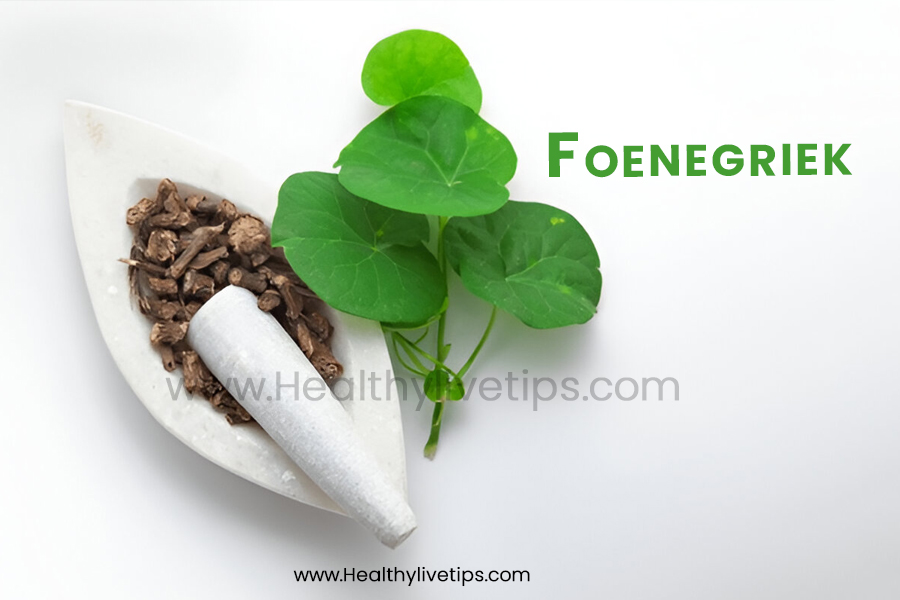
Foenegriek (commonly known as fenugreek) is a powerful herb that has been valued for centuries for its wide range of health, culinary, and medicinal benefits. Native to the Mediterranean region and parts of Asia, this versatile plant belongs to the legume family and has been a staple in both traditional healing systems and everyday cooking.
From spicing up Indian curries to supporting digestion, balancing blood sugar, and even nourishing skin and hair, foenegriek has carved out an important place in both history and modern wellness. While once regarded mainly as an herbal remedy in Ayurveda and Chinese medicine, today it is being rediscovered through scientific research and global wellness trends.
This article takes a deep dive into everything you need to know about foenegriek—its origins, nutritional value, health benefits, culinary uses, and modern applications—while also highlighting safety, cultivation, and future potential.
What is Foenegriek?
Origins and Naming
Foenegriek is the Dutch name for fenugreek (scientific name: Trigonella foenum-graecum), a plant that traces its roots back thousands of years. The word itself comes from the Latin “foenum-graecum,” meaning “Greek hay,” because the plant was historically used as fodder in Mediterranean regions. Over time, foenegriek gained recognition not just as animal feed but as a valuable culinary spice and medicinal herb.
Botanical Classification
- Family: Fabaceae (legume family)
- Genus: Trigonella
- Species: T. foenum-graecum
Being a leguminous plant, foenegriek shares similarities with beans and peas. It enriches the soil with nitrogen and thrives in dry climates, making it a sustainable crop for cultivation in regions where water is scarce.
Global Spread
Although native to the Mediterranean basin, foenegriek spread quickly across South Asia, the Middle East, and North Africa, where it became a cornerstone of both food and medicine. Today, India is one of the largest producers, with foenegriek leaves and seeds playing a vital role in Indian cuisine and Ayurveda.
A Dual Identity: Food and Medicine
One of the reasons foenegriek has endured for centuries is its ability to serve multiple roles:
- Culinary spice: Seeds are roasted, ground, or added whole to dishes for their nutty, slightly bitter taste.
- Leafy vegetable: Known as “methi” in South Asia, its fresh and dried leaves are used in breads, curries, and teas.
- Medicinal herb: Used in remedies for digestion, hormonal balance, and overall vitality.
In short, foenegriek is much more than just a spice—it is a cultural, medicinal, and nutritional treasure.
Historical Background of Foenegriek
The story of foenegriek stretches back thousands of years, weaving its way through ancient civilizations, traditional medicine systems, and culinary traditions. Its journey is a fascinating example of how a humble plant can become a symbol of healing, nourishment, and cultural exchange.
Roots in the Mediterranean
Foenegriek’s earliest recorded use can be traced to the Mediterranean region. Archaeological evidence suggests that the Egyptians used foenegriek as far back as 1500 BCE. Seeds were discovered in the tomb of Tutankhamun, highlighting the plant’s importance in both nutrition and ritual. Ancient Egyptians valued it not only for food but also as an ingredient in embalming and as a remedy for fever and childbirth recovery.
The Greeks and Romans also adopted foenegriek. The Romans primarily used it as animal fodder, but herbalists and physicians recognized its medicinal properties. In Greek medicine, Hippocrates—often called the father of modern medicine—mentioned foenegriek as a soothing herb, especially useful for easing inflammation.
Expansion to South Asia
India soon became a major cultivator of foenegriek, and even today it produces the majority of the world’s supply. The herb’s integration into Indian cuisine and traditional medicine cemented its place as both a food and a healing tool.
Influence in Chinese Medicine
Parallel to its rise in South Asia, foenegriek traveled east to China, where it was incorporated into Traditional Chinese Medicine (TCM). Known for its warming qualities, it was used to treat conditions like coldness in the kidneys, abdominal pain, and weakness in men. It was believed to strengthen yang energy and restore balance to the body.
A Bridge Across Cultures
What makes foenegriek particularly fascinating is how it adapted to the needs of each culture:
- In Egypt, it was linked to rituals, healing, and food.
- In Greece and Rome, it was seen as both fodder and medicine.
- In India, it became an everyday kitchen spice and an Ayurvedic powerhouse.
- In China, it gained respect as an energy-restoring herb.
This long history shows that foenegriek were never limited to one purpose or one region. Instead, it served as a bridge across civilizations, shaping health practices, diets, and even agriculture.
Legacy Today
The ancient reputation of foenegriek continues to influence modern research. What Ayurveda and TCM once prescribed based on observation and philosophy is now being studied scientifically for its effects on blood sugar, cholesterol, and inflammation. Its enduring popularity is a testament to how traditional knowledge and modern science can complement one another.
In essence, the history of foenegriek reflects humanity’s ongoing relationship with nature—a story of discovery, adaptation, and healing that still continues today.
Botanical Profile of Foenegriek
To understand foenegriek more deeply, it helps to look at its botanical identity and growth habits. This section highlights the plant’s scientific classification, physical features, varieties, and cultivation patterns.
Scientific Classification
- Kingdom: Plantae
- Order: Fabales
- Family: Fabaceae (legume family)
- Genus: Trigonella
- Species: Trigonella foenum-graecum
Belonging to the legume family, foenegriek shares its lineage with beans, lentils, and peas. Like its relatives, it has the ability to fix nitrogen in the soil, making it an environmentally friendly plant that enriches agricultural land.
Physical Features
Foenegriek is an annual herb that completes its life cycle in one growing season. Its most recognizable features include:
- Height: Typically 30–60 cm (12–24 inches).
- Leaves: Green, trifoliate (three-part), and oval-shaped with serrated edges. These are consumed fresh as “methi” or dried as “kasuri methi.”
- Flowers: Small, pale yellow to white flowers that appear in clusters.
- Seeds: The plant produces distinctive golden-brown seeds within slender pods. Each pod contains 10–20 angular seeds that have a strong aroma and a slightly bitter taste.
Growing Habits
Foenegriek thrives in mild climates and requires plenty of sunlight. It is adaptable to dry soil conditions, which is one reason it has been cultivated in arid regions for centuries.
- Soil preference: Sandy loam or well-drained soil rich in organic matter.
- Climate: Grows well in temperate and subtropical zones.
- Water needs: Moderate; overwatering can damage roots.
Farmers appreciate foenegriek for being relatively low-maintenance and for its ability to improve soil fertility, thanks to its nitrogen-fixing roots.
Varieties of Foenegriek
Several varieties of foenegriek exist, adapted to different uses and climates. Broadly, they can be categorized as:
- Leafy types – grown mainly for their tender leaves (e.g., Indian methi used in curries and breads).
- Seed-producing types – cultivated primarily for spice and medicinal purposes.
- Dual-purpose types – valued for both leaves and seeds.
India, Pakistan, Egypt, and parts of the Mediterranean grow different varieties depending on regional cuisine and market demand.
Harvesting Cycle
Foenegriek has a relatively short growing cycle, usually about 3–4 months. Leaves can be harvested as early as 20–30 days after sowing, while seeds are typically collected once the pods mature and turn yellowish-brown.
Unique Botanical Traits
What sets foenegriek apart from many other herbs is its versatility: every part of the plant—seeds, leaves, stems—has practical use. Farmers and households alike value it not just as a crop, but as a multi-functional herb that serves culinary, medicinal, and even agricultural purposes.
In essence, the botanical profile of foenegriek reveals why this plant is so enduring: it is easy to grow, adaptable to various climates, and useful in almost every form.
Nutritional Value of Foenegriek
Foenegriek is packed with nutrients that make it valuable both in cooking and traditional medicine. Its seeds, leaves, and extracts are rich in vitamins, minerals, and bioactive compounds that support overall health.
Seeds
Foenegriek seeds are dense in macronutrients and micronutrients. Per 100 g, they typically provide:
- Protein: 23–25 g (great plant-based source)
- Fiber: 24–26 g, mostly soluble (aids digestion & blood sugar balance)
- Carbohydrates: 55–60 g (natural energy booster)
- Fats: 6–7 g, mostly healthy unsaturated fats
Vitamins
- Vitamin A – supports skin, vision, and immunity
- Vitamin C – antioxidant, boosts healing and defenses
- Vitamin B6 – aids metabolism and brain function
- Folate – essential for red blood cell production
Minerals
- Iron – prevents anemia, supports hemoglobin
- Magnesium & Manganese – strengthen bones, metabolism, energy
- Copper – helps iron absorption and immunity
- Potassium – balances blood pressure and heart health
Bioactive Compounds
- Saponins – may lower cholesterol
- Flavonoids – fight oxidative stress
- Trigonelline – improves glucose metabolism
- Diosgenin – linked to hormone balance & anti-inflammatory effects
Leaves (Methi)
Fresh foenegriek leaves are low in calories, high in fiber, and rich in calcium and antioxidants—ideal for weight management, bone health, and skin vitality.
Powder & Extracts
Ground or concentrated forms preserve most nutrients and make foenegriek easy to consume in teas, capsules, or supplements.
Why It’s a Superfood
Health Benefits of Foenegriek
For centuries, foenegriek has been used in traditional medicine, and today modern research continues to uncover its wide-ranging health benefits. From supporting digestion to improving skin health, this humble herb offers a variety of natural remedies backed by both tradition and science.
1. Supports Digestive Health
Foenegriek is rich in soluble fiber, which plays a major role in digestive wellness. This fiber absorbs water in the intestines, softens stools, and promotes regular bowel movements—helping to prevent constipation. It also acts as a prebiotic, nourishing healthy gut bacteria. In traditional medicine, foenegriek tea is often used to ease indigestion, bloating, and heartburn, offering gentle relief without harsh side effects.
2. Helps Regulate Blood Sugar Levels
One of the most studied benefits of foenegriek is its effect on blood sugar control. Compounds such as trigonelline and soluble fiber slow carbohydrate absorption, which helps prevent rapid spikes in blood glucose after meals. Clinical trials suggest that it may benefit people with type 2 diabetes or insulin resistance by improving overall glycemic control.
3. Aids in Weight Management
Because foenegriek is naturally high in fiber, it helps increase feelings of fullness and satiety, which may reduce overall calorie intake. Drinking foenegriek-infused water or consuming the seeds before meals has been linked to appetite suppression. This makes it a popular natural aid for those aiming to manage weight in a sustainable way.
4. Promotes Lactation in Nursing Mothers
In many cultures, foenegriek has long been used as a galactagogue—a substance that promotes milk production. Research suggests that it may stimulate the hormone prolactin, which is essential for breast milk supply. Nursing mothers often consume foenegriek tea or supplements to boost lactation naturally, though it should be taken under medical guidance.
5. Supports Hormonal Balance
Foenegriek contains compounds like diosgenin, which have been studied for their role in hormone regulation. In women, foenegriek may ease symptoms of PMS and menopause, including hot flashes and mood swings. In men, research suggests it may help maintain healthy testosterone levels, supporting energy, muscle health, and overall vitality.
6. Improves Skin and Hair Health
Rich in antioxidants and anti-inflammatory compounds, foenegriek offers beauty benefits as well. Topical pastes made from the seeds are traditionally applied to the scalp to reduce dandruff and encourage hair growth. For skin, foenegriek may help reduce irritation, acne, and oxidative stress, leaving the skin clearer and healthier.
7. Provides Anti-inflammatory Properties
Inflammation is at the root of many chronic conditions, from arthritis to heart disease. The saponins and flavonoids in foenegriek help lower inflammation by neutralizing harmful free radicals in the body. Traditional remedies often used it poultices to soothe joint pain and swelling, a practice that aligns with modern scientific findings.
8. Supports Heart and Metabolic Health
Foenegriek seeds are linked to improved cholesterol profiles, particularly lowering LDL (“bad” cholesterol) and triglycerides while raising HDL (“good” cholesterol). This, combined with its effects on blood sugar and weight control, makes foenegriek a valuable herb for cardiometabolic wellness. By reducing risk factors, it may help protect long-term heart health.
Foenegriek in Traditional Medicine
For thousands of years, foenegriek has been more than just a culinary spice. It has held a central role in some of the world’s oldest healing traditions, where it was valued not only for its flavor but also for its restorative powers. Across cultures, healers and physicians used it to address digestive troubles, hormonal imbalances, respiratory issues, and general vitality.
Ayurveda
Traditional Chinese Medicine
Middle Eastern Remedies
In the Middle East, foenegriek has been widely used as both food and medicine. Physicians in the medieval Islamic world prescribed foenegriek for coughs, fevers, and respiratory complaints, while households often relied on it to improve appetite and digestion. It was also believed to boost strength and endurance, making it popular among those recovering from sickness.
Even today, foenegriek remains a trusted home remedy in many cultures. Whether brewed as tea, cooked into meals, or applied as a poultice, it continues to reflect its long history as a natural healing ally.
Modern Scientific Research on Foenegriek
While traditional knowledge has celebrated foenegriek for centuries, modern science has begun to validate many of its potential benefits. Over the past few decades, researchers have studied its bioactive compounds—such as diosgenin, saponins, and 4-hydroxyisoleucine—and their effects on the body.
Diabetes Management
Several clinical trials suggest that foenegriek seeds may help people manage type 2 diabetes by improving insulin sensitivity and lowering blood sugar levels. Its soluble fiber slows carbohydrate absorption, reducing post-meal spikes. These findings align with traditional practices, where foenegriek teas were used to aid digestion and balance energy.
Cholesterol and Heart Health
Scientific studies also indicate that foenegriek may support cardiovascular health. Regular consumption of foenegriek seeds has been linked to lower LDL cholesterol and triglycerides, while promoting higher HDL cholesterol. These effects help reduce risk factors for heart disease and support overall metabolic wellness.
Weight and Appetite Control
Foenegriek’s natural fiber content has made it a subject of research in obesity management. Early findings suggest it can help regulate appetite by increasing satiety, which may contribute to gradual and sustainable weight loss.
Hormonal Health
Foenegriek is also being studied for its impact on hormones. Research suggests it may support healthy testosterone levels in men while helping women manage menopausal symptoms such as hot flashes and mood swings. While the results are promising, more large-scale studies are needed to confirm these effects.
Overall, modern science continues to build on the foundation of traditional knowledge, offering evidence that foenegriek’s benefits extend well beyond the kitchen.
Culinary Uses of Foenegriek
Foenegriek is not just medicine—it is also a beloved ingredient that adds a distinctive flavor and depth to foods worldwide. Its unique taste, often described as slightly bitter with a maple-like aroma, makes it versatile in both savory and sweet dishes.
Seeds
The seeds are the most commonly used part of the plant. They can be used whole, roasted, or ground and are often added to spice blends such as curry powders, garam masala, or pickling mixes. Roasting the seeds softens their bitterness and enhances their nutty undertone.
Leaves
Tea
Soaking foenegriek seeds in hot water creates a herbal tea that is both aromatic and therapeutic. Many drink it for digestion, detoxification, or to soothe sore throats.
Flatbreads and Everyday Cooking
In Indian households, methi parathas (fenugreek flatbreads) are a common breakfast or dinner staple. Beyond South Asia, foenegriek is used in Middle Eastern spice blends, Ethiopian stews, and even Mediterranean breads, showing its global culinary footprint.
Its role in cooking proves that foenegriek is as much about enjoyment as it is about nutrition and healing.
How to Use Foenegriek in Daily Life
Integrating foenegriek into everyday routines is simple, whether through diet, supplementation, or topical application.
As a Supplement
Foenegriek is available in capsules, powders, and liquid extracts. Many people take these to support blood sugar management, hormonal balance, or even athletic performance.
In Cooking
Soaked foenegriek seeds can be added to soups, stews, and curries, while the leaves can be sautéed, mixed into dough, or used as a seasoning. Their flavor pairs well with lentils, vegetables, and meat dishes.
Herbal Teas and Drinks
Brewing foenegriek seeds into tea is a simple way to enjoy its health benefits. Some even soak seeds overnight and drink the infused water on an empty stomach to aid digestion.
Topical Applications
Ground foenegriek seeds can be made into a paste and applied to the scalp to promote hair growth or to the skin to reduce irritation, acne, and inflammation. This dual use for beauty and wellness makes it especially popular in natural home remedies.
How to Grow and Store Foenegriek
One of the many appeals of foenegriek is that it is easy to grow at home, whether in a garden bed or a small pot indoors.
- Cultivation: The plant thrives in warm climates with plenty of sunlight. Seeds germinate quickly, often sprouting within just a few days.
- Harvesting: Fresh leaves can be harvested within three to four weeks of planting, while seeds require a longer growth period to mature fully.
- Storage: Dried seeds should be stored in airtight containers away from heat, light, and moisture to preserve freshness and potency. Leaves can be dried and stored as kasuri methi, or used fresh.
This makes foenegriek a rewarding herb for both cooking and natural remedies.
Safety, Side Effects, and Precautions of Foenegriek
Foenegriek is widely valued for its health benefits, but like all natural remedies, it should be used with care and moderation.
Pregnancy and Breastfeeding
High doses of foenegriek may trigger uterine contractions, increasing the risk of premature labor. Expectant mothers are advised to avoid it unless approved by a healthcare provider. After childbirth, however, small, guided amounts are often used to support milk production.
Allergic Reactions
As a member of the legume family, foenegriek may cause allergic reactions in people sensitive to chickpeas, peanuts, or soybeans. Symptoms can range from skin irritation to more severe responses, so caution is necessary for those with legume allergies.
Medication Interactions
Foenegriek naturally lowers blood sugar, which may intensify the effects of diabetes medications and risk hypoglycemia. It also has mild blood-thinning properties, potentially interfering with anticoagulants. Always consult a doctor before combining foenegriek with prescription drugs.
Recommended Dosage
There is no universal dosage, but most experts suggest 2–5 grams of seeds daily, depending on health goals. Supplements should be taken according to manufacturer guidelines or medical advice. Overuse may cause digestive discomfort, diarrhea, or a distinct maple-like body odor linked to one of its compounds.
Comparisons of Foenegriek with Other Herbs and Spices
| Herb/Spice | Flavor Profile | Key Benefits | How It Differs from Foenegriek |
|---|---|---|---|
| Cumin | Strong, earthy, and warm | Aids digestion, boosts immunity | Unlike cumin’s earthy taste, foenegriek has a sweeter, maple-like aroma. |
| Fennel | Sweet, mild, and licorice-like | Supports digestion, relieves bloating | Foenegriek tastes more bitter and nutty, offering a deeper, robust flavor. |
| Turmeric | Earthy, slightly bitter, warm | Rich in curcumin, powerful anti-inflammatory | Turmeric is prized for curcumin, while foenegriek is valued for hormone balance and digestive health. |
Foenegriek in Modern Wellness Trends
In today’s wellness-driven culture, foenegriek has gained a new reputation as a “super herb.” No longer limited to traditional medicine or home kitchens, it has made its way into the global health and beauty market. This rise in popularity reflects a growing preference for natural, plant-based solutions.
Herbal Teas and Detox Blends
Sports Nutrition and Fitness
Athletes and fitness enthusiasts are turning to foenegriek supplements for stamina, faster muscle recovery, and even testosterone support. Protein powders and pre-workout blends frequently highlight foenegriek as a performance-boosting ingredient.
Beauty and Skincare Industry
The cosmetic industry has embraced foenegriek for its nourishing properties. From hair masks that reduce dandruff and promote growth to serums that hydrate and brighten the skin, foenegriek extracts are now a common addition to natural beauty products.
Functional Foods
Beyond supplements and cosmetics, foenegriek is also being incorporated into everyday foods. Protein shakes, fortified flours, snack bars, and energy drinks now feature it as a health-boosting ingredient, making it easier for consumers to include it in their daily routine.
This trend shows how foenegriek continues to evolve — moving from an ancient household remedy to a modern wellness essential.
The Future Potential of Foenegriek
Looking ahead, foenegriek is expected to play an even bigger role in natural health and wellness. Researchers across the world are actively studying its potential applications, and the results so far are encouraging.
Metabolic Syndrome Management
Ongoing studies are investigating foenegriek’s role in addressing complex conditions like metabolic syndrome, which includes high blood pressure, obesity, high cholesterol, and insulin resistance. Early findings suggest that it could become part of an integrated approach to prevent and manage these chronic health issues.
Reproductive and Hormonal Health
Another promising area of research is reproductive health. Scientists are exploring how it may support fertility, regulate menstrual cycles, and ease symptoms of menopause. Its hormone-balancing properties are also of great interest in men’s health, particularly for testosterone support.
Sustainable Farming and Eco-Friendly Practices
Beyond personal health, foenegriek has agricultural benefits. As a legume, it helps improve soil fertility by fixing nitrogen, reducing the need for synthetic fertilizers. This makes it a valuable crop for sustainable farming, which is becoming more important as the world focuses on eco-friendly food production.
Global Market Trends
The demand for natural remedies and plant-based supplements is rising worldwide, and foenegriek is well-positioned to benefit from this shift. From capsules and teas to functional foods, the herb’s versatility ensures it will continue to gain traction in the wellness industry.
Conclusion
Foenegriek is far more than a kitchen spice—it is a timeless herb with a powerful legacy. From its roots in ancient Egypt, Greece, and India to its place in today’s wellness industry, it has proven its worth as both food and medicine. Packed with nutrients, antioxidants, and bioactive compounds, foenegriek continues to support digestion, balance blood sugar, improve heart health, and enhance skin and hair vitality.
What makes foenegriek truly remarkable is its versatility: it can be grown in a small garden, brewed into a soothing tea, blended into a health supplement, or cooked into everyday meals. As science continues to uncover new benefits and wellness trends embrace natural remedies, foenegriek stands at the crossroads of tradition and innovation.
In short, foenegriek is not just an herb—it is a bridge between cultures, a tool for holistic health, and a natural ally for a healthier future.
Stay close for alerts, announcements, and breaking news. Healthy Live Tips!