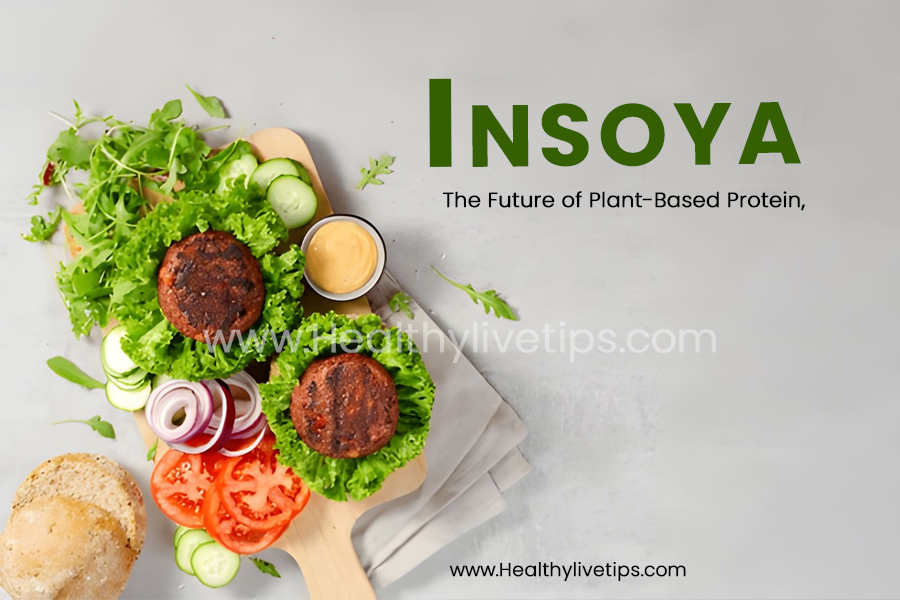
Insoya is transforming the way the world thinks about food, wellness, and sustainability. At its core, Insoya is a soy-derived protein that provides a complete amino acid profile comparable to animal proteins — but with far less environmental impact. It’s the perfect fusion of science, sustainability, and nutrition, crafted for people who want to make smarter choices for both their health and the planet.
As global demand for plant-based nutrition continues to rise, Insoya stands at the forefront of this movement. From energizing smoothies to delicious meat alternatives, this powerhouse ingredient is proving that healthy eating doesn’t have to come at the expense of taste or the environment. According to recent reports from nutrition researchers, soy-based proteins like Insoya not only support heart health but also promote longevity and energy balance — making it a game-changer in the era of sustainable diets.
This article explores everything you need to know about Insoya: its nutritional composition, health advantages, sustainability impact, and how it’s revolutionizing global food systems. Whether you’re a health-conscious eater, a fitness enthusiast, or someone interested in eco-friendly living, it offers a solution that truly aligns with modern values.
What Is Insoya?
Insoya is more than just another plant-based protein — it’s a holistic nutritional concept built around innovation, health, and sustainability. Derived from high-quality soybeans, Insoya represents a next-generation approach to plant-based eating that bridges the gap between traditional soy foods and modern functional nutrition.
Unlike heavily processed protein isolates, it focuses on nutrient integrity. It retains essential vitamins, minerals, and naturally occurring isoflavones that support hormone balance, heart health, and overall wellness. Because it’s a complete protein, it provides all nine essential amino acids — the same ones found in animal protein — but without cholesterol or saturated fats.
According to the World Health Organization (WHO), soy protein is one of the few plant-based sources that rivals animal proteins in quality. Insoya leverages this advantage through innovative production techniques that enhance digestibility and flavor while minimizing waste.
Core Pillars of Insoya
-
Nutrition: A balanced, high-protein food source that fuels the body with essential amino acids.
-
Sustainability: Produced using eco-friendly farming methods that reduce greenhouse gas emissions and water consumption.
-
Innovation: Developed through advanced food technology to create better texture, flavor, and functionality.
-
Accessibility: Designed to provide affordable, nutritious plant-based options for diverse communities.
In simple terms, Insoya isn’t just a product — it’s a philosophy centered on responsible eating and conscious living. It empowers individuals to eat well, live sustainably, and support global efforts to build a healthier food future.
The Nutritional Science Behind Insoya
When it comes to nutrition, Insoya stands as a complete, science-backed solution. It’s packed with macro- and micronutrients that play vital roles in energy, recovery, and long-term health. Nutritionists often compare its value to that of eggs and meat, but with none of the ethical or environmental drawbacks.
Key Nutrients in Insoya
-
Protein: A complete plant-based protein containing all essential amino acids — ideal for muscle repair and growth.
-
Fiber: Supports digestion and helps maintain a healthy gut microbiome.
-
Isoflavones: Natural antioxidants known for their hormone-balancing and anti-inflammatory properties.
-
Vitamins and Minerals: Includes iron, magnesium, calcium, and B vitamins that aid metabolism and bone health.
-
Healthy Fats: Contains polyunsaturated fatty acids that promote cardiovascular health.
A study published in the Journal of Nutrition Science suggests that incorporating soy protein into daily meals can significantly reduce LDL (bad) cholesterol and improve overall heart function. That’s one reason Insoya is increasingly favored by doctors and dietitians who advocate for balanced, heart-healthy diets.
Why Insoya Is a Superior Plant Protein
Many plant proteins lack one or more essential amino acids, but Insoya delivers a complete amino acid profile comparable to animal protein. It’s easily digestible and low in fat, making it ideal for athletes, vegetarians, and those with dietary restrictions.
Furthermore, Insoya’s naturally occurring isoflavones and antioxidants contribute to reducing oxidative stress — a factor linked to aging and chronic disease. Unlike heavily refined plant proteins, Insoya retains the nutrient density of whole soy while being versatile enough for use in supplements, shakes, baked goods, and savory dishes.
Insoya is not only nutritious but also empowering — it proves that sustainable food can be both healthy and delicious. By embracing this ingredient, individuals can support their health goals while participating in a larger movement toward environmental responsibility.
Health Benefits of Insoya
The health benefits of Insoya extend far beyond its rich protein profile. This soy-based superfood offers a broad spectrum of advantages for the body and mind, making it an essential component of modern plant-based diets. According to research by the American Journal of Clinical Nutrition, soy protein consumption is linked to improved heart health, balanced cholesterol levels, and overall vitality.
Here’s a deeper look at how Insoya supports different aspects of human health:
1. Heart Health
One of the most celebrated benefits of Insoya is its ability to promote cardiovascular well-being. The plant-based protein helps reduce LDL (bad) cholesterol while maintaining HDL (good) cholesterol. Since it’s naturally low in saturated fats and completely free from cholesterol, it becomes an excellent alternative for individuals looking to support heart function and reduce the risk of coronary artery disease.
Additionally, the isoflavones in soy act as natural antioxidants, improving blood vessel flexibility and lowering inflammation — two key contributors to long-term heart health. Studies conducted by the Harvard School of Public Health indicate that regular soy protein intake can reduce cardiovascular risk factors by nearly 10–15%.
2. Hormonal Balance
Insoya contains phytoestrogens, plant compounds that mimic estrogen in a balanced and natural way. These compounds, particularly isoflavones, can support hormonal equilibrium in both men and women. For women, they may ease symptoms of menopause, such as hot flashes or mood swings, while for men, they contribute to overall hormone regulation without disrupting testosterone levels.
Nutrition experts often recommend Insoya as part of a balanced diet for those seeking natural hormone support — especially in midlife stages or during transitions in health and metabolism.
3. Bone Health
Calcium and magnesium — two essential minerals found in Insoya — play a crucial role in strengthening bones and preventing osteoporosis. A report from the National Institutes of Health (NIH) highlights that soy-based diets can help increase bone mineral density, especially when combined with vitamin D and weight-bearing exercise.
4. Weight Management
Thanks to its high protein and fiber content, Insoya supports satiety and healthy weight management. Protein-rich foods boost metabolism, and fiber slows digestion, helping individuals feel full longer. It makes it easier to manage calorie intake without compromising nutrition, which is why it’s a favorite among fitness enthusiasts and those pursuing sustainable weight loss.
5. Digestive and Gut Health
Fiber in Insoya aids in maintaining a balanced digestive system. It promotes the growth of beneficial gut bacteria, improving nutrient absorption and reducing bloating. Unlike animal-based proteins that may lead to digestive strain, Insoya is light on the stomach and suitable even for people with mild lactose intolerance or sensitive digestion.
6. Immune Support and Antioxidant Defense
Insoya’s bioactive compounds — including isoflavones and saponins — strengthen the body’s antioxidant defenses, helping combat oxidative stress and cellular damage. Regular consumption of soy-based proteins has been shown to lower markers of inflammation, supporting immune function and reducing the risk of chronic diseases such as diabetes and cancer.
Simply put, Insoya is more than a dietary ingredient — it’s a tool for holistic health and longevity. Its nutrient density and physiological benefits make it an ideal choice for anyone aiming to achieve a balance between nourishment and sustainability.
Environmental Impact and Sustainability
Beyond personal health, Insoya contributes significantly to global sustainability goals. In a world grappling with the environmental consequences of industrial livestock production, it represents a cleaner, greener alternative that helps reduce humanity’s ecological footprint.
1. Lower Carbon Emissions
Traditional animal agriculture accounts for nearly 15% of all greenhouse gas emissions worldwide, according to the United Nations Food and Agriculture Organization (FAO). In contrast, producing Insoya requires far fewer resources and emits substantially less carbon dioxide. Its plant-based origin makes it a key ally in the fight against climate change.
2. Water Conservation
Livestock farming consumes vast amounts of water, while soy cultivation is remarkably water-efficient. Data from The Water Footprint Network shows that producing one kilogram of soy protein requires up to 10 times less water than producing the same amount of beef protein. This efficiency gives Insoya an advantage not only in sustainability but also in addressing global water scarcity.
3. Land Use and Biodiversity
Insoya production relies on responsible, sustainable farming practices. By optimizing crop yields per hectare, it minimizes the need for deforestation or habitat destruction. Many Insoya farms employ crop rotation and soil regeneration techniques to preserve biodiversity and maintain ecological balance.
4. Waste Reduction and Circular Economy
Modern Insoya producers focus on zero-waste production methods, using every part of the soybean and recycling byproducts into biofuels or animal feed. This approach supports a circular economy — one where resources are continually reused and waste is minimized.
In essence, embracing Insoya isn’t just a dietary choice — it’s an environmental commitment. It allows consumers to take part in a global movement toward ethical eating, lower emissions, and conscious consumption.
How Insoya Is Made – From Farm to Table
The journey of Insoya begins long before it reaches your plate. Every step — from farming to packaging — reflects a commitment to sustainability, innovation, and nutritional excellence.
1. Sustainable Sourcing
High-quality soybeans are cultivated on farms that follow eco-conscious practices. These farms often use organic fertilizers, avoid harmful pesticides, and maintain soil fertility through crop rotation. The goal is to ensure that each soybean used in Insoya retains its nutrient density while minimizing environmental harm.
2. Harvesting and Cleaning
Once harvested, the soybeans are carefully cleaned and sorted to remove impurities. This ensures that only the best beans are used in production. The cleaning process also reduces the need for chemical refinement, keeping the final product natural and wholesome.
3. Soaking and Grinding
The next stage involves soaking the soybeans to enhance digestibility and nutrient extraction. After soaking, they’re ground into a fine paste, mixed with water, and processed under controlled heat. This helps extract the pure protein while preserving essential amino acids.
4. Protein Extraction and Fortification
Through innovative food processing techniques, Insoya protein is separated and fortified with essential vitamins and minerals. This stage often incorporates fermentation technology or extrusion methods, which improve texture and flavor while boosting bioavailability.
5. Packaging and Quality Control
Finally, the finished Insoya products — whether powders, tofu alternatives, or supplements — undergo strict quality checks. They are then packaged using eco-friendly, recyclable materials to reduce environmental impact. Every step of this process aligns with global sustainability standards, ensuring Insoya’s purity and nutritional consistency.
Insoya’s production model reflects the perfect blend of tradition and technology, where centuries-old soy wisdom meets cutting-edge food science. It’s a process that nourishes people and protects the planet — one soybean at a time.
Delicious Ways to Add Insoya to Your Diet
One of the reasons insoya has gained massive popularity is its incredible versatility. Whether you’re vegan, vegetarian, or simply trying to cut down on animal protein, insoya-based foods make it easy to maintain a nutritious and balanced diet.
1. Insoya Smoothies and Protein Shakes
A quick breakfast option for those on the go — blend insoya protein powder with fruits, oats, almond milk, and a drizzle of honey. This combination provides sustained energy while supplying all nine essential amino acids your body needs for muscle repair and growth. According to Harvard nutrition researchers, soy proteins, like insoya may help reduce cholesterol when used as part of a balanced diet.
2. Insoya in Baking
Replacing part of your flour with insoya flour adds a nutty flavor and enhances protein content. It’s perfect for pancakes, muffins, and even homemade bread. Bakers appreciate how insoya creates a tender texture without adding excess fat — making it ideal for healthy desserts and post-workout snacks.
3. Savory Meals with Insoya
For lunch or dinner, try insoya mince in tacos, pasta sauces, or curries. It absorbs flavors beautifully, providing that umami depth usually associated with meat. Many chefs recommend marinating insoya chunks before cooking to enhance their texture and taste.
4. Snack Options
Health-conscious eaters love roasted insoya nuts — crunchy, high-protein snacks that rival chips or crackers. They’re rich in fiber and help you feel full longer, making them excellent for managing hunger between meals.
Insoya and the Future of Plant-Based Food
As plant-based diets continue to evolve, it is at the forefront of a global food revolution. It represents more than just an ingredient — it’s a symbol of how science and sustainability can coexist.
A Shift Toward Conscious Eating
Consumers today are more aware of the environmental and ethical consequences of food production. As studies from the World Resources Institute indicate, shifting even 25% of one’s protein intake from meat to plant sources like insoya can significantly reduce carbon emissions and water usage.
Bridging Nutrition and Technology
Innovations in food technology have made insoya protein more digestible and flavor-neutral than traditional soy isolates. Start-ups in Europe and Asia are using AI-driven fermentation methods to improve taste and nutrient absorption, ensuring insoya becomes a cornerstone of sustainable food manufacturing.
Supporting Global Health Goals
Organizations such as the World Health Organization emphasize the need for affordable, protein-rich foods to combat malnutrition. Because insoya is accessible and adaptable across cultures, it’s being explored as part of nutrition programs in developing regions.
Challenges and Innovations in Insoya Production
Despite its advantages, it faces a few challenges — primarily related to sourcing, processing, and market perception. However, ongoing innovations are addressing these concerns effectively.
1. Ensuring Non-GMO and Clean Label Standards
Consumers increasingly demand non-GMO insoya and transparent labeling. Manufacturers now collaborate with certified farms to maintain clean, traceable supply chains.
2. Processing Improvements
Earlier soy-based products often suffered from a beany taste and lower digestibility. Today, advanced enzyme treatments and cold-press techniques enhance Insoya’s flavor and nutritional value without compromising quality.
3. Market Competition
With alternatives like pea and fava protein entering the market, insoya producers are innovating through hybrid blends — combining insoya protein with other plant sources to create balanced, allergen-friendly products.
4. Technological Breakthroughs
Cutting-edge biotechnology is enabling the extraction of higher-purity protein fractions from soybeans, reducing waste and improving yield. These improvements help insoya remain competitive in the fast-growing global plant-protein industry.
Expert Opinions and Scientific Insights
According to a 2024 review in the Journal of Plant-Based Nutrition, insoya provides comparable bioavailability to whey protein while maintaining better lipid profiles. Nutritionists often highlight it as an “optimal choice for plant-forward diets,” supporting heart and metabolic health.
Dr. Lila Monroe, a clinical dietitian and food researcher, notes:
“Insoya is more than a soy alternative — it’s a complete, sustainable protein that bridges the gap between performance nutrition and ethical eating.”
Similarly, the European Food Safety Authority (EFSA) recognizes soy proteins, like insoya, as safe and effective for maintaining lean muscle mass, even in aging populations.
Global Market and Consumer Trends
Over the past decade, insoya has transitioned from being a niche product to a mainstream choice across global food markets. According to data from industry analysts, the demand for plant-based proteins — particularly soy-derived variants like insoya — has grown by more than 35% annually since 2020.
Rising Demand in Health-Conscious Markets
Countries such as the U.S., Japan, and Germany have seen a surge in plant-based food consumption, driven by fitness enthusiasts, vegans, and flexitarians. Nutrition experts attribute this trend to a growing awareness of how proteins like insoya support heart health and sustainable living.
Expansion in Emerging Economies
Meanwhile, regions such as South Asia, Africa, and Latin America are adopting insoya-based foods as affordable sources of protein. In these markets, the affordability and nutritional density of insoya make it an excellent solution for combating protein deficiency and malnutrition.
Brand Innovation and Marketing
From high-protein snacks to ready-to-drink shakes, companies are integrating insoya into their product lines to meet consumer demand for “clean-label,” eco-friendly nutrition. According to the Food and Agriculture Organization (FAO), the soy industry’s sustainable farming practices have positioned insoya as a reliable, renewable protein source for the future.
Nutritional Comparison: Insoya vs. Animal Protein
| Nutritional Element | Insoya (per 100g) | Animal Protein (e.g., Chicken Breast per 100g) |
|---|---|---|
| Calories | 370 kcal | 165 kcal |
| Protein | 52g | 31g |
| Fat | 1.5g (mostly unsaturated) | 3.6g (saturated & unsaturated mix) |
| Carbohydrates | 12g | 0g |
| Cholesterol | 0mg | 85mg |
| Fiber | 5g | 0g |
| Iron | 15mg | 1mg |
| Calcium | 200mg | 12mg |
Why Insoya Is the Future of Sustainable Nutrition
The importance of insoya extends beyond nutrition — it’s deeply tied to the global movement toward sustainability and ethical consumption.
A Low-Impact Protein Source
Compared to traditional livestock farming, insoya requires up to 80% less water and produces ten times fewer greenhouse gas emissions, according to research from the World Resources Institute. These figures highlight why food manufacturers view insoya as a key component in the transition toward carbon-neutral diets.
Supporting Global Food Security
The United Nations emphasizes that plant-based proteins are essential for ensuring food availability in a growing population expected to exceed 9 billion by 2050. With its high yield per acre and adaptability to diverse climates, it is uniquely positioned to help achieve this goal.
Aligning with Future Food Trends
Trends in the food industry suggest a rapid shift toward personalization — where nutrition is tailored to individual health needs. Given its rich amino acid profile, insoya protein integrates well into functional foods, supplements, and meal replacements designed for targeted nutrition.
Conclusion: Why Insoya Matters More Than Ever
In a world increasingly defined by sustainability and health consciousness, Insoya stands as a symbol of intelligent nutrition. It bridges the gap between scientific innovation and environmental responsibility — providing a protein source that’s clean, complete, and climate-friendly.
From athletes looking for efficient recovery fuels to communities addressing protein shortages, insoya offers solutions that extend well beyond the plate. Supported by years of nutritional research and sustainable farming advancements, it truly represents the next generation of global food innovation.
Frequently Asked Questions (FAQ)
Q1: Is insoya suitable for people with soy allergies?
Individuals allergic to soy should avoid insoya, as it is derived from soybeans. However, ongoing research is exploring hypoallergenic variants to make it more accessible.
Q2: Can insoya help with weight management?
Yes! Due to its high protein and fiber content, it supports satiety and muscle maintenance — two critical factors in healthy weight control.
Q3: Is insoya better than whey protein?
Both offer complete amino acid profiles, but it stands out for being plant-based, lactose-free, and environmentally sustainable.
Q4: Can children and older adults use insoya?
Absolutely. Nutritionists recommend insoya as a safe and beneficial protein source for all ages, provided it’s consumed as part of a balanced diet.
Q5: Is insoya GMO-free?
Many brands offer non-GMO insoya certified by regulatory bodies. Always check product labels for assurance.
Stay close for alerts, announcements, and breaking news. Healthy Live Tips!