Masgonzola is a distinctive Italian cheese that artfully blends creamy sweetness with a subtle tang — a true balance between indulgence and refinement. Originating from the picturesque Lombardy region of northern Italy, this cheese captures the heart of Italian dairy craftsmanship. In this in-depth guide, readers will discover everything about masgonzola: its origins, how it’s made, its flavor profile, culinary pairings, and its role in today’s gourmet world.
This exploration expert insights, authentic historical background, and trustworthy culinary knowledge. Whether you’re a passionate foodie, a home chef, or simply curious about Italy’s hidden dairy treasures, masgonzola invites you to savor a story as rich as its taste.
Understanding Masgonzola — Origins, Character & Craft
What Is Masgonzola?
At its core, masgonzola is a semi-soft Italian cheese that bridges the worlds of creamy and blue-veined varieties. Imagine the luscious texture of mascarpone meeting the gentle, earthy complexity of Gorgonzola — that’s the essence of masgonzola. It’s not as sharp or pungent as many traditional blue cheeses, yet it carries that signature marbling and aroma that make blue cheese lovers swoon.
While masgonzola does not have centuries of recorded history like Parmigiano-Reggiano or Gorgonzola, it draws inspiration from those same dairy traditions. Cheesemakers in Lombardy have long experimented with combining smooth, buttery bases with subtle mold ripening — creating a cheese that feels familiar yet refreshingly new.
The result? A cheese that’s approachable for newcomers, yet sophisticated enough for gourmet connoisseurs.
The Ancestral Roots: Lombardy’s Dairy Landscape
Lombardy, nestled in northern Italy, is a land defined by its contrasts — alpine pastures, fertile plains, and crystal-clear lakes. This natural diversity makes it one of the most important dairy regions in Europe. From Grana Padano to Taleggio and Gorgonzola, the region’s cheeses are prized for their quality and depth of flavor.
Masgonzola’s identity is inseparable from Lombardy’s terroir. The cows graze on lush meadows enriched by mineral-laden soil, producing milk of exceptional richness and aroma. Local dairies, many family-run for generations, preserve artisanal techniques while incorporating modern precision.
While masgonzola is a modern innovation, its spirit honors Lombardy’s cheese-making lineage — the same legacy that gave birth to the world’s oldest blue cheese, Gorgonzola, in the town of the same name as early as the 9th century. The natural caves of the region, with their consistent temperature and humidity, remain perfect for the slow, patient aging that turns milk into edible art.
The Craft of Masgonzola — From Milk to Marbling
Selecting the Milk
Every great cheese begins with great milk, and masgonzola is no exception. Traditionally, it’s made from fresh, full-fat cow’s milk sourced from Lombardy’s pastures. Some small producers may even use a mix of morning and evening milk to achieve the right fat balance and sweetness.
The milk must be unadulterated, handled with care, and ideally raw or minimally pasteurized to preserve its complex microflora — the living essence of real cheese.
Curd Formation and Cutting
Once the milk is warmed, the cheesemaker adds rennet and starter cultures. The rennet initiates coagulation, turning liquid milk into a soft, gel-like curd. This curd is then gently cut into small cubes to release whey. The process requires patience: cut too small, and the cheese becomes dry; cut too large, and it remains overly moist.
The curds are stirred slowly, encouraging them to firm up while preserving their delicate structure — a key step that defines masgonzola’s luscious, spreadable texture.
Salting and Mold Introduction
After draining, the curds are lightly pressed and salted. Salt not only enhances flavor but also acts as a natural preservative, drawing out excess moisture and regulating microbial activity. Then, the cheesemaker introduces the molds — typically Penicillium roqueforti — either by mixing spores directly into the curds or by piercing the formed cheese later to allow oxygen to stimulate blue veining.
This mold growth gives masgonzola its signature blue-green marbling. The veins don’t just look beautiful; they actively contribute to the evolving aroma and depth of flavor during aging.
Aging & Marbling: The Signature Transformation
The wheels of masgonzola are placed in cool, humid aging rooms — often natural caves or temperature-controlled cellars. Here, magic happens slowly. Over the weeks and months, the cheese undergoes a profound transformation. Molds develop, fats break down into aromatic compounds, and proteins soften into that creamy, spoonable consistency.
Younger masgonzola has a mild, buttery sweetness; aged versions bring out deeper, earthy tones, a whisper of spice, and a touch of nuttiness. The longer it rests, the more complex the balance between tang and cream becomes — a perfect dance between milk and mold.
Flavor, Texture & Sensory Experience
Texture & Mouthfeel
The first thing you notice about masgonzola is its texture. It’s semi-soft, lush, and almost spreadable when brought to room temperature. Unlike crumbly blue cheeses, it holds together gracefully, melting on the tongue with a velvety finish.
That creaminess comes from its high butterfat content and the gentle curd handling during production. The result is a cheese that feels indulgent yet balanced — like silk with a whisper of complexity.
Flavor Journey
Each bite of masgonzola takes you on a sensory journey. It starts sweet and creamy, reminiscent of mascarpone or fresh cream. Then the blue mold notes emerge — delicate, slightly tangy, but never overpowering. As it lingers, subtle flavors of toasted nuts, meadow herbs, and faint mineral hints appear.
This layered experience is why masgonzola has gained admiration among chefs and cheese lovers worldwide. It offers all the intrigue of a blue cheese, without the intimidating sharpness that can deter newcomers.
Aroma & Visual Appeal
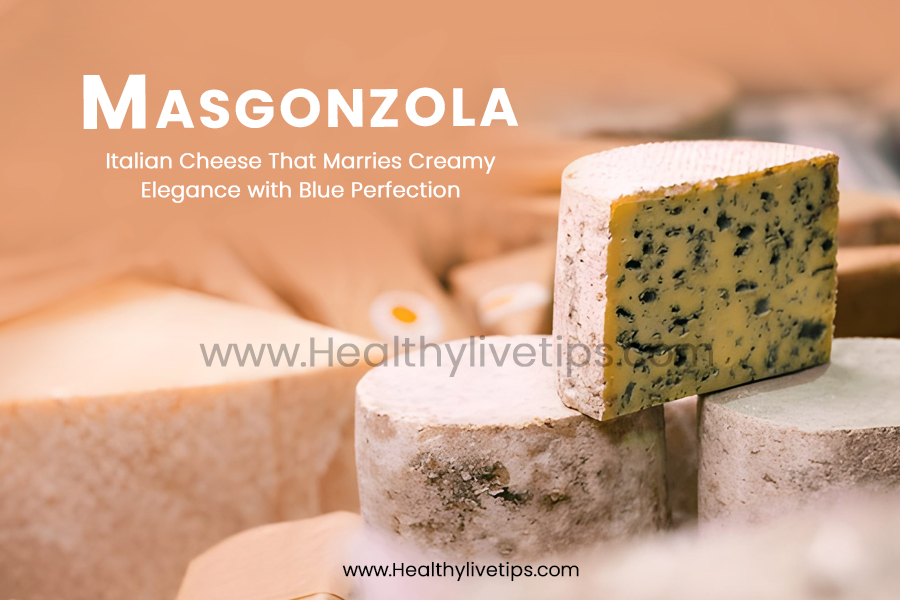
Visually, masgonzola is stunning — pale ivory paste intertwined with veins of blue and green, marbled like a painter’s brushstroke. Its aroma is equally inviting: gentle notes of fresh milk, butter, wildflowers, and a soft hint of earthiness from the caves where it matures.
For cheese connoisseurs, even the aroma is part of the ritual — breathing in the scent prepares the palate for the creamy complexity to follow.
Enjoying Masgonzola — Pairings, Serving & Recipes
On the Cheese Board
A wheel or wedge of masgonzola elevates any cheese board. To highlight its balanced flavor, pair it with contrasting textures and tastes:
-
Fruits: Fresh figs, pears, apples, or grapes enhance its natural sweetness.
-
Sweet accents: Drizzle of honey, fig jam, or floral syrups make it sing.
-
Crunch: Serve with walnut bread, baguette, or crisp crackers for texture.
-
Savory notes: Thin slices of prosciutto, salami, or roasted nuts bring a salty contrast.
Together, these pairings celebrate the complexity of masgonzola, making it the centerpiece of gatherings or wine tastings.
Wine & Beverage Pairings
Pairing wine with masgonzola is about balance. Its richness and mild tang pair beautifully with wines that refresh the palate:
-
Red wines: Barbera, Chianti, or Nebbiolo complement its depth.
-
White wines: Dry whites like Sauvignon Blanc or Verdicchio add brightness.
-
Sparkling wines: Prosecco or Champagne provide effervescence that cuts through creaminess.
-
Non-alcoholic options: Sparkling apple cider or pear juice echo the fruit pairings beautifully.
Cooking with Masgonzola
Beyond the cheese board, masgonzola is a secret weapon in the kitchen. It melts evenly and adds depth to countless dishes:
-
Pasta & Risotto: Stir into hot pasta or risotto for a luxuriously creamy sauce.
-
Gourmet Pizza: Add thin slices to a white pizza base with caramelized onions and arugula.
-
Stuffed Chicken or Ravioli: Its creamy tang makes an unforgettable filling.
-
Vegetable Dishes: Crumble over roasted Brussels sprouts, sweet potatoes, or pears.
-
Savory Desserts: Pair with dark chocolate or use in a blue cheese cheesecake for a surprising twist.
With masgonzola, even simple recipes gain restaurant-level elegance.
Nutritional Snapshot & Health Insights
Macronutrients & Micronutrients
Like most artisan cheeses, masgonzola is rich in essential nutrients. A small portion provides:
-
High-quality protein for muscle repair and energy.
-
Calcium & phosphorus for strong bones and teeth.
-
Vitamin A and B12 for healthy skin, vision, and metabolism.
-
Good fats that help absorb fat-soluble vitamins.
Its fermentation process may also aid digestion for some, as natural bacteria pre-digest portions of lactose and casein.
Moderation & Dietary Considerations
While nutrient-dense, masgonzola is high in fat and sodium — so moderation is key. A small wedge (30–40 g) adds flavor and nutrition without excess calories.
Those sensitive to molds or lactose should approach with care and opt for younger, milder varieties. Always buy from reputable sources that follow strict hygiene and aging standards.
Storage & Shelf Life
To preserve its flavor and safety:
-
Wrap in cheese paper or parchment, not plastic (it needs to breathe).
-
Store at 4–6°C in your refrigerator’s cheese drawer.
-
Bring to room temperature for 30 minutes before serving.
-
Consume within 7–14 days after opening.
Avoid freezing — it breaks down the delicate fat structure and ruins texture.
Why Masgonzola Matters in Today’s Cheese World
Bridging Tradition & Innovation
Masgonzola represents a new chapter in Italian cheesemaking — one that respects tradition while embracing innovation. It captures the nostalgia of old-world dairy craft while presenting a milder, more modern flavor for contemporary palates.
A Gateway to Blue Cheese Appreciation
For many, masgonzola is a gentle introduction to blue cheeses. Its mild tang invites even hesitant eaters to explore. It’s an educational cheese — one that opens the door to deeper appreciation of artisanal styles like Roquefort, Stilton, and Gorgonzola.
Cultural & Culinary Impact
From Michelin-starred kitchens to boutique cheese shops, masgonzola has become a quiet icon of modern Italian gastronomy. Chefs prize it for its visual appeal, melting ability, and ability to elevate both traditional and fusion dishes.
In an age where consumers crave authenticity, sustainability, and flavor integrity, masgonzola delivers all three. It’s a cheese made not just from milk, but from passion, patience, and place.
Conclusion
In the end, masgonzola stands as a masterpiece of Italian cheesemaking — a true reflection of Lombardy’s pastoral beauty, culinary wisdom, and artisanal spirit. It bridges centuries of dairy tradition with modern taste, inviting both seasoned connoisseurs and curious newcomers to experience the gentle art of blue cheese in its most refined form.
From its creamy texture to its delicate marbling, every wheel of masgonzola tells a story of patience, craftsmanship, and terroir. Whether served on a rustic cheese board, melted into a velvety risotto, or paired with a crisp Italian wine, it captures the soul of Italy in every bite.
Masgonzola is more than a cheese — it’s a living expression of how simplicity, passion, and heritage can create something truly extraordinary. For those who value authenticity, balance, and beauty in food, this Lombard treasure remains an unforgettable taste of Italian excellence.
Frequently Asked Questions About Masgonzola
1. What makes Masgonzola different from other Italian cheeses?
Masgonzola stands out for its creamy texture, gentle tang, and signature blue-green marbling created by natural Masgonzola molds during the aging process. While many Italian cheeses are firm or crumbly, Masgonzola offers a luxuriously smooth mouthfeel that makes it ideal for both cooking and fine cheese tasting.
2. How does Lombardy’s environment influence Masgonzola’s flavor?
The Lombardy region provides a unique mix of mountain air, fertile pastures, and naturally humid Lombardy caves, all of which contribute to the distinctive aging process of Masgonzola cheese. These conditions enhance the development of rich aromas and deep, earthy notes — a reflection of Italy’s rich dairy culture.
3. What type of milk is used in traditional Masgonzola cheesemaking?
Authentic Masgonzola is made using premium cow’s milk sourced from local Lombard farms. Generations of farmers have maintained a strong regional cheesemaking heritage, ensuring that each wheel of Masgonzola carries a consistent texture and flavor unique to this region of Italy.
4. How can you best enjoy Masgonzola at home?
For the ultimate experience, let Masgonzola rest at room temperature before serving. Its cheese texture variations — from semi-soft to creamy — pair wonderfully with crusty bread, fresh fruit, or bold wines. It’s also a fantastic addition to salads, risottos, and gourmet sauces that highlight its buttery flavor.
5. Is Masgonzola suitable for fine cheese tasting events?
Absolutely. Masgonzola’s balance of creaminess, tanginess, and subtle sweetness makes it an elegant choice for fine cheese tasting sessions. Its complex flavor profile evolves with every bite, offering a sensory journey through Italy’s dairy heritage and artisanal craftsmanship.
We’ll keep you updated—just stay in touch! Healthy Live Tips!