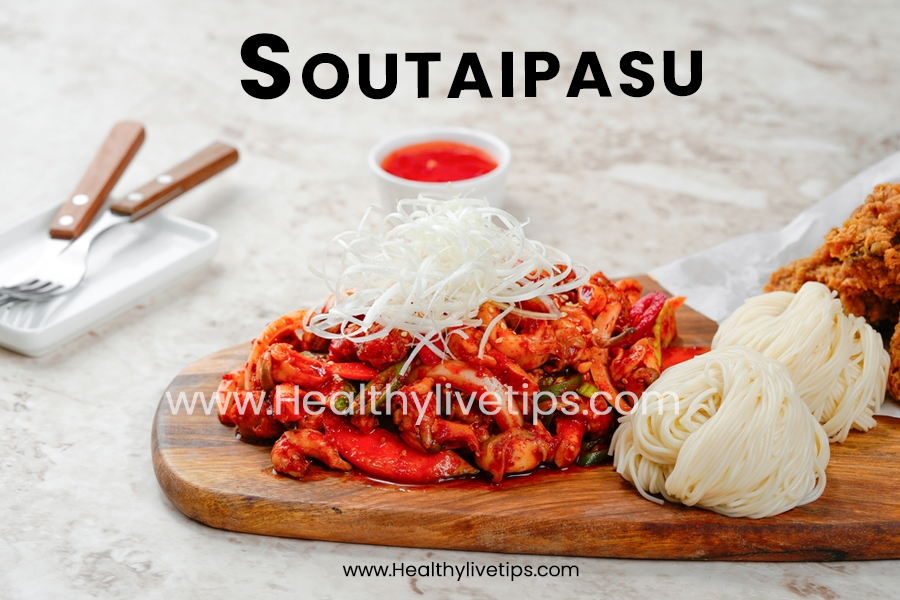
The answer to “What is soutaipasu?” lies in its extraordinary approach to flavor and balance. Soutaipasu refers to a distinctive style of Asian fusion cuisine that celebrates the harmony of contrasting tastes — sweet, spicy, sour, and umami — all perfectly balanced to excite the palate. At the heart of soutaipasu cuisine are unique spices, herbs, and fresh ingredients that come together to create bold, multi-layered taste profiles. Fragrant lemongrass, zesty lime, chili, coconut milk, and aromatic basil are some of the signature components that define this flavor-packed culinary experience.
Unlike traditional regional cooking, soutaipasu represents an evolution of taste — combining elements from Thai, Japanese, Vietnamese, and even Western cuisines. It’s a movement that values creativity, experimentation, and the art of balance, making every dish both comforting and excitingly new. Today, soutaipasu is not just a food trend; it’s a cultural statement that connects East and West through the universal language of taste.
The Origins and Philosophy of Soutaipasu Cuisine
Where Soutaipasu Came From
The roots of soutaipasu cuisine can be traced back to the evolving landscape of modern Asian dining. As globalization brought cultures closer, chefs began experimenting with cross-border ingredients, seeking to merge traditional flavors with modern techniques. Soutaipasu was born from this creative intersection — a reflection of cultural exchange and culinary curiosity.
The term “soutaipasu” is thought to symbolize balance and totality — bringing together different elements in perfect harmony. In many ways, it mirrors the philosophy behind Japanese and Southeast Asian cooking, where simplicity and precision coexist with complexity and depth. Early soutaipasu chefs drew inspiration from street food markets in Bangkok, Japanese kaiseki artistry, and Vietnamese freshness, crafting a style that was simultaneously authentic and innovative.
Over time, soutaipasu became a symbol of modern Asian identity, a cuisine that honors tradition while embracing reinvention. It’s now featured in high-end restaurants, boutique cafés, and even home kitchens around the world.
The Culinary Philosophy Behind Soutaipasu
Soutaipasu cuisine is built on three essential principles:
- Balance:
Every soutaipasu dish is a dance of flavors — spicy yet refreshing, rich yet light. The key lies in creating equilibrium between sweet, sour, salty, bitter, and umami notes. - Freshness:
Ingredients are chosen for their natural aroma and vitality. Fresh herbs like Thai basil, coriander, and lemongrass aren’t just garnish — they’re the soul of soutaipasu cooking. - Innovation:
Soutaipasu chefs are fearless experimenters. They blend traditional recipes with global influences, adding new textures or reinterpreting classics in surprising ways.
This philosophy makes soutaipasu more than just a cuisine — it’s a culinary mindset that encourages creativity, mindfulness, and respect for ingredients.
Key Ingredients That Define Soutaipasu
The Essential Flavor Builders
The distinctive character of soutaipasu cuisine comes from its carefully layered ingredients. Each component adds a unique note, creating a complete symphony of taste.
- Lemongrass: The backbone of soutaipasu flavor, lending citrusy brightness and earthy warmth.
- Kaffir Lime Leaves: Infuse a sharp, aromatic tang that elevates soups and curries.
- Galangal: A close relative of ginger, adding peppery depth and floral undertones.
- Coconut Milk: Brings creamy texture and gentle sweetness that balances heat.
- Fish Sauce: Adds umami richness — salty, complex, and indispensable.
- Chilies: From fiery Thai bird’s eye to mild red chili, they define the heat spectrum of soutaipasu dishes.
- Fresh Herbs: Coriander, Thai basil, and mint are used liberally for aroma and visual freshness.
These ingredients combine in countless ways to form dishes that awaken every sense — spicy aromas, colorful presentations, and deeply satisfying textures.
Protein and Vegetable Harmony
Soutaipasu recipes often highlight the interplay between proteins and plants, showing respect for both nature and nourishment. Common proteins include chicken, shrimp, tofu, and fish, each cooked with precise attention to texture and flavor absorption. Vegetables like bok choy, bell peppers, bamboo shoots, and eggplant add freshness and crunch.
A classic soutaipasu curry might feature coconut-braised chicken infused with lemongrass and basil, while a modern adaptation could use tofu and mushrooms for a fully plant-based version. The goal is always the same — balance between heartiness and lightness.
The Signature Flavors of Soutaipasu
Taste Layers That Tell a Story
Every soutaipasu dish tells a flavor story in five acts — sweet, salty, sour, spicy, and umami. This multi-sensory experience is what makes it stand apart from other cuisines.
| Flavor Element | Description | Example Ingredient | Experience |
|---|---|---|---|
| ✅ Sweet | Balances heat and acidity | Palm sugar, coconut milk | Smooth and comforting |
| ✅ Salty | Enhances depth and body | Fish sauce, soy sauce | Umami-rich satisfaction |
| ✅ Sour | Adds brightness and freshness | Lime juice, tamarind | Tangy and awakening |
| ✅ Spicy | Provides excitement and warmth | Chili paste, pepper | Energizing heat |
| ✅ Umami | Ties all flavors together | Miso, mushrooms | Deep savory finish |
Together, these flavors create the soutaipasu signature profile — vibrant, full-bodied, and emotionally satisfying.
Aromas and Textures
Soutaipasu cuisine doesn’t just taste amazing; it smells and feels unique. The sizzling of lemongrass in oil releases fragrant notes that hint at the layers of flavor to come. Soft coconut-based sauces contrast beautifully with crunchy vegetables and delicate proteins. The sensory combination is intentional — soutaipasu chefs design each dish to engage the nose, eyes, and palate simultaneously.
Traditional Dishes of Soutaipasu Cuisine
Classic Recipes That Define the Tradition
Though soutaipasu is inherently modern, several dishes have become classics that represent its spirit. Here are a few examples:
- Soutaipasu Curry: A silky coconut curry infused with lemongrass, lime leaves, and chili. Often served with jasmine rice or rice noodles.
- Lemongrass Grilled Fish: Marinated in galangal and lime, wrapped in banana leaves, and chargrilled for a smoky aroma.
- Chili Basil Stir-Fry: Quick-cooked vegetables and meat tossed with basil and soy, creating an aromatic, spicy finish.
- Coconut-Lime Soup: Creamy and tangy, featuring mushrooms, tofu, and aromatic herbs.
- Herbal Rice Salad: A colorful blend of rice, shredded herbs, and crushed peanuts, dressed with spicy lime sauce.
Each recipe carries soutaipasu’s identity — comforting yet dynamic, rooted in tradition yet open to innovation.
Modern Soutaipasu Creations
Today, chefs worldwide are reimagining soutaipasu through global lenses. You might find soutaipasu tacos filled with spicy lemongrass chicken, or pasta dressed in coconut-chili sauce. These creative adaptations show how flexible and inspiring the soutaipasu concept has become. It’s no longer limited by geography — it’s a global culinary movement.
The Cultural Meaning Behind Soutaipasu
A Bridge Between East and West
At its core, soutaipasu is about connection — between flavors, people, and cultures. It’s a reminder that food transcends borders and can be both deeply traditional and endlessly inventive. By merging techniques and ingredients from diverse regions, soutaipasu cuisine promotes understanding and appreciation of different heritages.
In many ways, soutaipasu reflects modern global identity — diverse, creative, and open-minded. It encourages people to embrace variety while respecting the wisdom of ancient cooking methods.
Soutaipasu and Sustainability
Another essential aspect of soutaipasu philosophy is its respect for nature. Many soutaipasu recipes use locally sourced, seasonal ingredients, reducing waste and supporting ecological balance. The cuisine encourages mindful cooking — using every part of the ingredient, minimizing packaging, and favoring fresh over processed foods.
This makes soutaipasu not just a taste experience but also a sustainable culinary model aligned with global environmental goals.
Regional Expressions of Soutaipasu Cuisine
Southeast Asian Roots and Inspirations
Although soutaipasu cuisine has become a global concept, its foundations lie deeply in the diverse culinary cultures of Southeast Asia. Countries like Thailand, Vietnam, and Malaysia contribute distinct flavors and philosophies that enrich soutaipasu’s complexity.
- Thailand: The Thai influence brings boldness and heat — red and green curries, chili pastes, and coconut milk sauces form the spicy-sweet base that many soutaipasu dishes build upon.
- Vietnam: From Vietnam comes the love for fresh herbs and balance, evident in the use of mint, coriander, and lime in refreshing soutaipasu salads and soups.
- Malaysia & Indonesia: These regions contribute the smoky, nutty character of satay and the aromatic depth of turmeric and tamarind.
Together, these traditions form soutaipasu’s cultural DNA, where every plate reflects centuries of flavor wisdom shaped by geography and climate.
Japanese and Korean Influences
Japanese and Korean techniques play an equally important role in the refinement of soutaipasu cuisine. From Japan, soutaipasu borrows precision, plating aesthetics, and respect for umami. The use of miso, soy, and dashi in some soutaipasu recipes gives dishes a subtle savory depth that balances brighter Southeast Asian elements.
Korean cooking, on the other hand, adds the fermented punch — kimchi, gochujang, and other aged condiments enrich soutaipasu sauces with earthy, spicy undertones. The result is a unique combination of freshness and fermentation — something rarely found in traditional single-region cuisines.
Western Interpretations and Fusion
As soutaipasu spread beyond Asia, chefs in Europe and the Americas began interpreting it through their own lenses. French chefs focused on texture and plating, while Californian restaurants introduced soutaipasu bowls combining quinoa, seared fish, and lime-chili dressings.
Even street-food vendors joined the movement — offering soutaipasu burgers topped with lemongrass aioli or tacos stuffed with coconut-lime shrimp. The adaptability of soutaipasu is what made it a global culinary language, able to translate across continents without losing its identity.
Signature Cooking Techniques of Soutaipasu
The Art of Balancing Heat and Freshness
In soutaipasu kitchens, the wok is a sacred tool. High-heat, quick stir-frying locks in color and texture while preserving nutrients and freshness. However, soutaipasu chefs are also masters of restraint — knowing when to cool things down with chilled herb sauces, pickled vegetables, or lime-based dressings.
The cooking process follows a rhythm: sauté aromatics, build a base, introduce protein, then layer flavor with fresh herbs and acid at the end. This ensures every dish tastes lively and balanced.
Slow Infusions and Layering
Some soutaipasu dishes rely on slow infusions — simmering broths with lemongrass, galangal, and lime leaves until they form a rich aromatic foundation. These slow methods reveal the cuisine’s connection to mindful cooking, emphasizing patience and attention to detail.
Whether it’s a slow-braised coconut curry or a quick wok toss, soutaipasu respects both tradition and innovation — proving that flavor can be born from speed or slowness, depending on the chef’s intention.
The Role of Fermentation
Fermentation plays a growing role in modern soutaipasu kitchens. Ingredients like fish sauce, miso, and fermented chili pastes introduce layers of umami that deepen complexity. Even small additions of pickled vegetables or aged sauces can transform a dish’s entire personality.
This approach honors ancient preservation methods while aligning with modern wellness trends — probiotic foods, gut health, and natural fermentation.
Modern Adaptations and Global Influence
Soutaipasu in Fine Dining
Fine dining establishments around the world have embraced soutaipasu as a framework for creative expression. Michelin-starred chefs now design tasting menus around its balance philosophy — using local ingredients but soutaipasu flavor logic.
For example, in London, chefs combine British sea bass with soutaipasu-style lemongrass broth. In New York, coconut-infused risottos meet chili-lime reductions. These interpretations prove that soutaipasu isn’t limited by geography — it’s a mindset of balance and boldness.
Street Food and Everyday Soutaipasu
At the same time, soutaipasu remains accessible to everyone. In street markets across Asia, you’ll find stalls serving soutaipasu skewers, noodles, and rice bowls bursting with color and aroma. The beauty of soutaipasu is that it can be both a fine dining art form and a casual comfort food — uniting people across class, culture, and cuisine.
Global Health and Wellness Trends
Another reason for soutaipasu’s rising global appeal is its alignment with modern health values. It emphasizes:
- Fresh, whole ingredients
- Natural herbs and spices instead of artificial flavorings
- Light oils and plant-based options
- Balanced macros — carbs, proteins, and fibers
This makes soutaipasu cuisine ideal for wellness-focused eaters who seek nutrient-rich, low-processed, and naturally flavorful meals.
Cooking Soutaipasu at Home
Core Pantry Essentials
If you want to cook soutaipasu at home, start by building a small pantry of essentials:
| Pantry Item | Purpose | Example Use | Recommended |
|---|---|---|---|
| ✅ Lemongrass | Adds citrusy aroma | Soups, marinades | Fresh stalks or paste |
| ✅ Coconut Milk | Adds creaminess | Curries, sauces | Full-fat for depth |
| ✅ Fish Sauce | Adds salt & umami | Dressings, stir-fries | Quality brand, light brown |
| ✅ Chili Paste | Adds heat | Curry bases | Choose by spice tolerance |
| ✅ Lime & Kaffir Leaves | Add acidity | Soups, rice dishes | Always fresh, never dried |
| ✅ Thai Basil & Coriander | Add freshness | Finishing touch | Add last, off heat |
With these, you can recreate authentic soutaipasu flavors in any kitchen.
Simple Home Recipes
Here are a few approachable soutaipasu-style dishes anyone can try:
1. Lemongrass Coconut Curry
- Sauté chopped lemongrass, garlic, and chili paste.
- Add coconut milk and simmer with tofu or chicken.
- Finish with lime juice and basil for a bright, aromatic balance.
2. Soutaipasu Stir-Fried Noodles
- Cook rice noodles, then toss with soy sauce, lime, and vegetables.
- Add your choice of protein and a spoon of chili oil.
- Garnish with herbs and crushed peanuts.
3. Zesty Lime Salad
- Combine sliced cucumber, shredded herbs, and grilled shrimp.
- Drizzle with fish sauce, lime, and sugar dressing.
- Top with roasted sesame for crunch.
Each of these dishes embodies soutaipasu’s soul — quick, flavorful, and balanced.
Tips for Mastering Soutaipasu Flavor
To truly master soutaipasu cooking at home:
- Taste constantly while cooking — adjust salt, sugar, and acid until balanced.
- Use contrasts — pair creamy with crunchy, spicy with cooling.
- Always cook aromatics before adding liquids to deepen flavor.
- Add fresh herbs at the end to preserve aroma.
- Don’t fear improvisation — soutaipasu rewards creativity.
Cooking soutaipasu is less about rigid recipes and more about understanding flavor harmony.
Soutaipasu in the Modern Culinary Landscape
Culinary Education and Innovation
Culinary schools worldwide now teach soutaipasu techniques under “modern Asian fusion.” Students learn how to balance cross-cultural flavors while respecting authenticity. This new wave of chefs treats soutaipasu as a global food language, using it to experiment responsibly and bridge traditions.
Food labs and gastronomy institutes are also exploring soutaipasu scientifically — studying how spice combinations enhance the sensory experience and influence mood. This research confirms what traditional cooks have known for centuries: soutaipasu nourishes both body and spirit.
Restaurant Trends and Future Growth
The demand for soutaipasu restaurants continues to grow. From Tokyo to Toronto, new eateries are dedicated to modern soutaipasu tasting menus and street-inspired casual cafés. Menu designs often highlight transparency — noting local sourcing, plant-based options, and spice level controls.
Soutaipasu is also thriving in the digital food economy, with food bloggers and influencers sharing quick soutaipasu recipes, colorful plating ideas, and sustainability messages. Its visual appeal — bright greens, reds, and golds — makes it highly shareable on platforms like Instagram and TikTok.
Economic and Cultural Impact
Beyond taste, soutaipasu contributes to local economies and cultural diplomacy. Farmers benefit from renewed demand for traditional herbs and spices, while restaurants showcase cultural collaboration through food festivals. Soutaipasu cuisine demonstrates that globalization can be positive when it celebrates diversity instead of erasing it.
In a world often divided by difference, soutaipasu offers a delicious reminder that coexistence can taste incredible.
Common Misconceptions About Soutaipasu
“It’s Just Fusion Food”
Some assume soutaipasu is merely fusion cooking, but that’s not entirely true. While it blends traditions, soutaipasu follows specific flavor logic and cultural respect. Every ingredient and technique has purpose — not random mixing, but deliberate harmony.
“It’s Always Spicy”
Spice is optional in soutaipasu. Many versions emphasize aromatic depth instead of heat. Sweet coconut, tangy lime, or gentle herbs can create equally satisfying soutaipasu profiles without being fiery.
“It’s Difficult to Make at Home”
Though it looks exotic, soutaipasu dishes are surprisingly simple when broken into steps. With a few pantry staples, anyone can prepare an authentic-tasting soutaipasu meal in under 30 minutes.
Conclusion — The Global Future of Soutaipasu
Soutaipasu cuisine has become more than a culinary style; it’s a global philosophy of flavor and coexistence. By blending traditions without losing authenticity, soutaipasu represents how food can evolve while staying rooted in cultural respect.
From the bustling streets of Bangkok to elegant New York bistros, soutaipasu continues to inspire chefs and food lovers alike. Its signature balance — between spicy and soothing, traditional and modern — speaks to the world’s growing appetite for connection through cuisine.
Ultimately, soutaipasu reminds us that the best food is not just about taste, but about story, culture, and unity. It’s proof that when we mix differences with care and creativity, we don’t lose flavor — we find new ones.
Frequently Asked Questions About Soutaipasu
What does soutaipasu mean?
Soutaipasu represents a modern Asian culinary philosophy centered on balance, creativity, and boldness. It blends diverse cooking traditions while maintaining harmony between flavors like sweet, sour, spicy, salty, and umami.
Is soutaipasu a specific country’s cuisine?
No. it is not tied to one country. Instead, it’s a fusion-inspired concept influenced by multiple Asian regions, especially Thailand, Japan, Vietnam, and Malaysia. It celebrates cross-cultural culinary exchange.
Can soutaipasu be vegetarian or vegan?
Absolutely! Many dishes are naturally vegetarian or vegan-friendly. Common plant-based ingredients include tofu, mushrooms, coconut milk, and seasonal vegetables. These alternatives maintain it signature depth and freshness.
What makes it unique?
It stands out for its perfect balance of five essential tastes — sweet, sour, salty, spicy, and umami. Its uniqueness also lies in its adaptability: chefs can experiment freely while keeping flavors harmoniously connected.
Is soutaipasu healthy?
Yes. Soutaipasu cuisine promotes wellness and mindful eating. It focuses on fresh herbs, vegetables, lean proteins, and minimal processing. Many recipes are naturally low in fat and rich in nutrients, making it both flavorful and nourishing.
Don’t miss out on any news—keep in touch for real-time information, visit: Healthy Live Tips