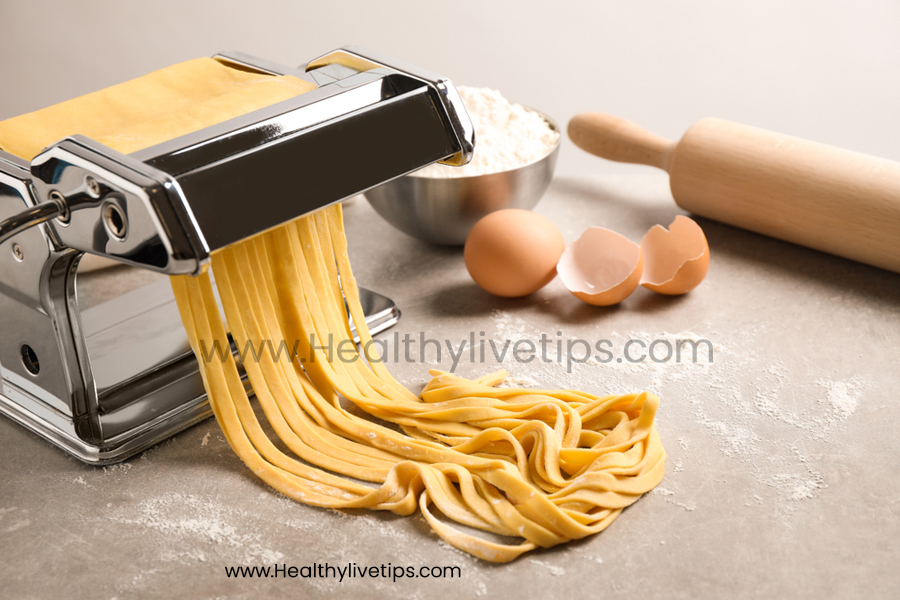
A tortellinatrice is a specialized pasta-making machine designed to automate the delicate and labor-intensive process of crafting tortellini—Italy’s famous ring-shaped stuffed pasta. Traditionally, making tortellini by hand involved rolling thin sheets of sfoglia (pasta dough), placing precise amounts of filling (ripieno), folding them carefully, and shaping each piece individually. This process, while beautiful and artisanal, could take hours for even small batches.
The tortellinatrice changes that completely. By combining mechanical precision with culinary craftsmanship, it streamlines the process—rolling, filling, shaping, and sealing perfect tortellini in minutes. This smart innovation bridges the gap between tradition and modern efficiency, making it possible for both restaurants and home cooks to enjoy authentic Italian pasta with far less effort.
In short, if you’ve ever dreamed of producing large quantities of fresh tortellini without sacrificing quality, the tortellinatrice is the answer. It’s not just a machine—it’s a symbol of how technology and tradition can beautifully coexist in the culinary world.
The Evolution of Tortellini Making
Before the invention of the tortellinatrice, crafting tortellini was a time-honored ritual. In regions like Emilia-Romagna, especially in Bologna and Modena, families gathered around kitchen tables to make tortellini during holidays. Each piece represented patience, precision, and love for good food.
Legend has it that tortellini’s distinctive navel shape (ombelico di Venere, or “Venus’s belly button”) was inspired by Renaissance folklore. Over generations, the dish became a symbol of regional pride, served in rich broths (brodo di carne) or creamy sauces.
However, as pasta gained global popularity, the demand for tortellini grew beyond what handcrafting could meet. Restaurants, food producers, and even small kitchens needed faster and more consistent ways to prepare it—without compromising taste or texture. This demand led to the birth of the tortellinatrice, a technological response to preserve authenticity while enhancing productivity.
How the Tortellinatrice Works
At its core, the tortellinatrice mimics the hand motions of an expert pasta maker—only faster and more precise. Let’s break down its main stages:
1. Dough Preparation
The process starts with fresh pasta dough made from premium ingredients like durum wheat flour (semola di grano duro) and eggs. The dough is fed into the machine, which automatically rolls it into uniform sheets of perfect thickness. This ensures consistent texture and elasticity, key to high-quality tortellini.
2. Filling Injection
Next, the filling—typically a blend of meats, cheeses, or vegetables—is added through a precision injector. The tortellinatrice measures exact portions, ensuring every piece is evenly filled without bursting or leakage during cooking.
3. Folding and Sealing
Once the filling is placed, the machine folds the pasta around it and seals it tightly, recreating the traditional tortellini shape. This mechanism preserves the pasta’s structural integrity, resulting in tortellini that hold beautifully when boiled.
4. Cutting and Output
The final stage involves cutting and separating each piece. The tortellini are then ready for cooking, packaging, or freezing—depending on production needs.
The entire process takes only minutes, yet the results rival those of handmade tortellini. This efficiency makes the tortellinatrice invaluable for both artisanal pasta shops and large-scale manufacturers.
Types of Tortellinatrice Machines
Not all tortellinatrice models are the same. They come in various sizes and capacities, catering to different users—from home chefs to industrial kitchens.
1. Manual Tortellinatrice
Ideal for small kitchens or hobby cooks, manual machines operate with a simple crank. They allow better control over the speed and folding pressure, offering a more hands-on experience. While slower, they’re great for learning and experimentation.
2. Electric Tortellinatrice
Electric versions automate most of the process, ideal for restaurants or caterers. With adjustable speed and filling controls, they produce dozens—or even hundreds—of tortellini per minute.
3. Industrial Tortellinatrice
These high-capacity models are designed for food factories. They integrate automated dough feeders, multiple rollers, and conveyor systems to create thousands of tortellini with uniform shape and quality. Some even feature digital controls and touchscreen interfaces for easy operation.
Parts and Components of a Tortellinatrice
Understanding the structure of a tortellinatrice (tortellini-making machine) gives users a deeper appreciation for its craftsmanship and functionality. Each part of the machine plays a vital role in turning simple dough and filling into perfectly shaped tortellini.
1. Dough Feeder
This component feeds the dough sheet into the machine at a steady, controlled pace. A consistent feed ensures uniform dough thickness, which is essential for even cooking and proper sealing.
2. Filling Injector
The filling injector is responsible for accurately dispensing the filling into each piece of dough. It guarantees that every tortellini has just the right amount of filling—neither too little nor too much—maintaining flavor balance and quality.
3. Folding Rollers
Folding rollers replicate the gentle, precise folding action of traditional hand-made tortellini. These rollers bring the two sides of the dough together, neatly encasing the filling without tearing or over-compressing it.
4. Cutting System
Once folded, the cutting system steps in to trim and separate each piece into its signature tortellini shape. The blades are designed for precision, ensuring that every piece looks uniform and professional.
5. Control Panel (for Electric Models)
Modern electric models come with an easy-to-use control panel. It allows users to adjust the dough thickness, speed, and filling quantity—offering complete customization whether you’re making delicate, bite-sized tortellini or larger versions for hearty dishes.
6. Output Conveyor
After cutting, the output conveyor carries the finished tortellini gently onto trays or packaging lines. This automated process minimizes handling, preserving the pasta’s shape and hygiene.
High-quality tortellinatrici are typically made from stainless steel, which ensures durability, easy cleaning, and compliance with food safety standards—perfect for both home kitchens and professional food production.
Benefits of Using a Tortellinatrice
The tortellinatrice is more than just a pasta machine—it’s a time-saving, precision tool that bridges tradition and technology. Here are some of its most notable benefits:
1. Efficiency and Time-Saving
What used to take several hours by hand can now be done in just minutes. Professional chefs and home cooks alike can produce hundreds of tortellini efficiently without sacrificing taste or appearance.
2. Consistency
Every tortellini produced by a tortellinatrice is perfectly shaped and evenly filled. This uniformity ensures not only beautiful presentation but also consistent cooking results—a crucial factor in restaurants and catering.
3. Versatility
While it’s primarily designed for tortellini, many machines come with attachments that allow users to make ravioli, agnolotti, and cappelletti. This flexibility makes the tortellinatrice an invaluable tool for creative chefs experimenting with different pasta types.
4. Quality and Freshness
Homemade pasta made with a tortellinatrice retains the freshness and authenticity of traditional Italian cuisine. Users can control the ingredients, ensuring the perfect combination of texture, flavor, and aroma that store-bought pasta simply can’t match.
5. Scalability
For small food businesses, a tortellinatrice offers the perfect solution to scale production without needing a large team. It enables consistent output and quality, helping businesses meet growing demand efficiently.
Tortellinatrice in Modern Cuisine
In modern kitchens, the tortellinatrice is redefining how pasta is made. Restaurants that once relied solely on handcrafting now embrace these machines as they combine speed, efficiency, and traditional authenticity.
Home cooks are also discovering the joy of using a tortellinatrice. Making pasta fatta in casa (homemade pasta) has become easier than ever, turning a labor-intensive process into an enjoyable cooking experience.
Chefs often adapt fillings to reflect the season or region—pumpkin and sage for autumn, ricotta and lemon zest for spring, or the classic prosciutto and Parmigiano-Reggiano from Emilia-Romagna. The tortellinatrice allows them to explore creativity without the physical strain of manual folding.
The Cultural Heritage Behind the Tortellinatrice
The invention of the tortellinatrice did not erase tradition—it helped preserve it. To understand why this machine holds such significance, one must first appreciate the deep cultural roots of tortellini.
For centuries, tortellini represented more than a meal; it was a family ritual in northern Italy. Generations gathered around the kitchen table, rolling out thin pasta sheets, cutting perfect squares, filling them with meats and cheeses, and carefully folding them into their signature ring shape. These culinary moments were filled with conversation, laughter, and love.
However, as families grew busier and the pace of life changed, making tortellini by hand became less common. The tortellinatrice revived that heritage by making the process accessible again—even for those who lack time or experience. Now, home cooks can recreate this Italian tradition effortlessly, keeping the spirit alive without the hours of manual work.
In a sense, the tortellinatrice honors the nonna (Italian grandmother) while embracing modern innovation. It’s a blend of nostalgia and progress—something few kitchen tools can claim.
Tortellinatrice and Its Role in the Food Industry
The impact of the tortellinatrice extends far beyond home kitchens. In the food industry, it has become an essential piece of equipment for large-scale production.
1. Efficiency in Restaurants and Food Factories
Restaurants can now serve freshly made tortellini daily without the extensive prep time it once required. Meanwhile, food factories benefit from automated systems that can produce thousands of pieces per hour, maintaining quality standards that rival handmade versions.
This automation does not remove the artistry from Italian cuisine—it enhances it. By freeing chefs from repetitive manual tasks, they can focus more on flavor innovation, plating, and customer experience.
2. Supporting Small Artisanal Producers
Interestingly, smaller artisanal pasta makers also use the tortellinatrice to scale up their operations while maintaining the handmade aesthetic. They can produce more batches for local markets, restaurants, and export without losing the quality that defines pasta artigianale (artisanal pasta).
3. Economic Growth and Global Reach
The ripple effect of this technology contributes to economic growth in the culinary sector. From manufacturing to distribution, the tortellinatrice helps businesses meet growing global demand for authentic Italian food.
Today, tortellini made with these machines can be found in stores from New York to Tokyo—proof that a tradition born in Emilia-Romagna has reached every corner of the world.
How to Choose the Right Tortellinatrice
Choosing the best tortellinatrice depends on your needs, whether you’re a home cook, restaurant owner, or food producer. Here are the key factors to consider:
1. Capacity and Size
For small kitchens, a compact, manual model may be sufficient. It takes up little space and offers hands-on control. For restaurants or commercial kitchens, electric or semi-automatic machines are ideal. Large-scale production facilities should consider industrial models that handle continuous operation.
2. Material and Build Quality
Always look for stainless-steel construction—it’s hygienic, durable, and easy to clean. Avoid plastic components that wear out quickly, especially in high-use environments.
3. Adjustability and Versatility
Modern models often allow users to adjust dough thickness, filling portions, and pasta shapes. Some even come with attachments for making ravioli, agnolotti, or cappelletti—expanding creative possibilities.
4. Ease of Cleaning
Machines designed for easy disassembly make cleaning quicker and more effective. This feature is crucial for food safety, especially when using fillings like meat or cheese.
5. Brand and Support
Reputable Italian manufacturers such as Imperia, Pavoni Italia, or Bottone are known for their high-quality tortellinatrice models. Always check warranty terms, spare parts availability, and customer service reviews before purchase.
Maintenance and Care Tips for Your Tortellinatrice
A tortellinatrice is a long-term investment—one that can serve you faithfully for many years when cared for properly. Regular cleaning, correct handling, and periodic maintenance not only extend its lifespan but also ensure consistent hygiene and top-notch performance.
Treating your machine with care will reward you with flawless pasta every time. Below are some simple yet effective ways to keep your tortellinatrice in perfect condition.
1. Clean After Every Use
Never let dough or filling dry up inside your machine. After each session, remove any remaining dough, flour, or filling residue. A quick cleanup prevents buildup, mold, and unpleasant odors. Consistent cleaning also ensures the internal parts move smoothly and maintain optimal hygiene—especially important in food preparation.
2. Use Soft Cleaning Tools
When cleaning, always use soft brushes or microfiber cloths. Avoid using metal scrapers, abrasive pads, or harsh chemicals, as these can scratch the stainless steel surface or damage delicate components. Gentle cleaning keeps the finish shiny and protects your machine’s mechanical precision.
3. Lubricate Moving Parts
Just like any other piece of kitchen equipment, your tortellinatrice’s moving parts—such as rollers and gears—need occasional lubrication. Use only food-grade lubricants to maintain smooth operation. This prevents friction, wear, and overheating, keeping the machine efficient and quiet.
4. Check Roller Alignment Regularly
Misaligned rollers can cause uneven dough thickness, leading to inconsistent pasta quality. Every few uses, inspect the rollers to make sure they’re parallel and properly aligned. Adjust them as needed to ensure perfect, even sheets of dough.
5. Store in a Dry, Safe Environment
Moisture is one of the biggest enemies of metal equipment. Always store your tortellinatrice in a dry, cool area—away from humidity or steam sources. If possible, cover it with a clean cloth or dust cover to prevent exposure to kitchen debris or accidental spills.
By following these simple maintenance habits, your tortellinatrice will remain reliable, hygienic, and efficient—producing perfect tortellini for years to come.
Creative Uses for the Tortellinatrice
The tortellinatrice isn’t limited to just traditional tortellini. Creative chefs and home cooks around the world are using this versatile machine to bring fresh ideas to life. Whether you want to try new fillings, invent a dessert pasta, or experiment with fusion cuisine, the tortellinatrice makes it possible.
1. Stuffed Pasta Variations
With a few adjustments to the settings or attachments, your tortellinatrice can produce more than just tortellini. Create ravioli, cappelletti, mezzelune, or agnolotti—each with its own unique texture and presentation. This versatility makes it an excellent tool for chefs who love to experiment with Italian-inspired dishes.
2. Dessert Innovations
Sweet pasta may sound unusual, but it’s a growing culinary trend. By using a slightly sweetened dough, chefs are creating dessert tortellini filled with chocolate ganache, mascarpone, or fruit jams. The tortellinatrice handles these fillings beautifully, allowing you to craft elegant desserts that surprise and delight guests.
3. Fusion Cuisine Adventures
Modern gastronomy thrives on fusion. Imagine spicy chorizo tortellini from Mexico, curried lentil tortellini from India, or shrimp and lemongrass tortellini from Thailand. The tortellinatrice allows chefs to blend international flavors while preserving the delicate, handmade quality of Italian pasta. It’s a perfect marriage of innovation and heritage.
Tortellinatrice in Home Kitchens
In today’s age of home chefs and culinary influencers, the tortellinatrice has become an exciting addition to modern kitchens. It empowers home cooks to make restaurant-quality pasta without years of training or long preparation times.
Even beginners can produce professional results—thin dough sheets, precise fillings, and beautifully shaped tortellini. For many, it’s not just a kitchen appliance but a gateway to creativity and family bonding.
Cooking as a Family Experience
Making pasta together can be a fun and educational activity for families. Rolling out dough, filling tortellini, and watching them come to life on the tray teaches children patience, teamwork, and appreciation for handmade food. It’s a joyful way to blend tradition with togetherness.
Whether you’re preparing a cozy weekend meal or hosting a dinner party, a tortellinatrice brings a touch of Italy to your table—effortlessly.
Environmental Impact and Sustainability
Beyond convenience and creativity, the tortellinatrice also contributes to sustainable cooking practices. Promoting efficiency and local production helps reduce waste and environmental impact. Here’s how:
1. Reduced Waste
The machine’s precision ensures that each piece of pasta uses the right amount of dough and filling. This minimizes leftovers and prevents food waste—something both home cooks and commercial kitchens appreciate.
2. Energy Efficiency
Modern tortellinatrici are designed with energy-saving mechanisms. They consume less power while maintaining performance, making them an eco-friendly alternative to older, bulkier equipment.
3. Support for Local Production
By enabling small businesses and home-based chefs to make their own pasta, the tortellinatrice reduces dependence on mass-produced, imported pasta. This supports local economies and lowers the overall carbon footprint.
Additionally, using fresh, locally sourced ingredients—such as organic flour, farm eggs, and regional cheeses—further enhances sustainability and flavor. Together, these factors make the tortellinatrice not only efficient but also environmentally responsible.
Technological Advancements in Tortellinatrice Design
As technology evolves, so does the design of the tortellinatrice. Modern manufacturers are continuously enhancing these machines with features that make pasta-making easier, smarter, and more precise.
Here are some of the latest innovations transforming the industry:
1. Digital Control Panels
Touchscreen interfaces now allow users to fine-tune speed, dough thickness, and filling quantity with ease. This user-friendly feature helps both beginners and professionals achieve perfect results every time.
2. Smart Sensors
Some models include sensors that monitor dough texture, filling consistency, and weight distribution. These automated systems ensure that each tortellini is uniform and well-balanced—reducing manual adjustments.
3. AI Integration
Cutting-edge prototypes use artificial intelligence to analyze dough elasticity, hydration levels, and folding precision. AI helps optimize performance in real-time, ensuring the highest-quality pasta output possible.
4. Compact and Portable Home Models
To meet the needs of home cooks, manufacturers now offer compact, lightweight models that fit easily into small kitchens. These sleek versions combine power and portability—perfect for anyone who loves fresh pasta but values convenience.
Thanks to these innovations, the essence of Italian pasta-making tradition continues to thrive—enhanced by modern technology.
Global Influence of the Tortellinatrice
The tortellinatrice may have been born in Italy, but its influence now spans the entire globe. From professional chefs to culinary schools and home kitchens, this device has become a silent ambassador of Italian craftsmanship and innovation.
1. European Expansion
Throughout Europe, the tortellinatrice is celebrated as a symbol of culinary modernization. In France, chefs use it to produce filled pastas with local twists—think tortellini au fromage bleu or tortellini aux champignons. In Germany, the machine inspired the revival of Maultaschen, the country’s traditional filled pasta.
2. North American Popularity
In North America, artisanal pasta shops have embraced the tortellinatrice as part of the fresh pasta revolution. Consumers are seeking authentic, handmade flavors—but with modern consistency and hygiene. Restaurants in cities like New York, Toronto, and Los Angeles proudly use this machine to create signature stuffed pasta dishes daily.
3. Asia and Fusion Cuisine
In Asia, where dumplings, gyoza, and samosas are already cultural staples, the tortellinatrice found a surprising home. Chefs in Japan and South Korea use it to create fusion dishes—combining Italian technique with local fillings like miso, tofu, or spicy pork. The outcome is a fascinating blend of East and West that continues to gain popularity.
4. Middle Eastern and Latin American Adaptations
Even in the Middle East and Latin America, culinary innovators have adapted the tortellinatrice for local tastes. Imagine tortellini filled with spiced lamb and tahini or tortellini con chorizo served with smoky paprika sauce. The machine’s versatility makes such global experimentation effortless.
This worldwide embrace underscores a simple truth: the tortellinatrice is not just a machine—it’s a cultural bridge that connects kitchens across continents through creativity and shared love of good food.
Tortellinatrice vs. Handmade Tortellini: A Comparison
| Aspect | Tortellinatrice | Handmade Tortellini |
|---|---|---|
| Precision & Consistency | Produces uniform shapes and perfectly sealed tortellini every time. Ideal for restaurants and mass production. | Size, shape, and filling vary slightly with each piece, giving a unique handmade charm. |
| Speed & Efficiency | Can produce thousands of tortellini per hour with minimal effort. | Relies on manual folding and shaping; time-consuming and labor-intensive. |
| Flavor & Texture | Modern machines replicate hand pressure to maintain authentic texture and taste. | Offers traditional texture and flavor but can vary based on skill and dough handling. |
| Craftsmanship & Emotion | Reflects innovation and consistency while preserving tradition through technology. | Embodies emotional and cultural value, especially in family traditions and handmade rituals. |
| Ease of Use | Simple to operate; requires minimal training. Great for commercial and home use. | Demands practice and skill to master perfect folds and sealing. |
| Output Quantity | Suitable for large-scale production and commercial kitchens. | Best for small batches and artisanal preparation. |
| Maintenance | Requires periodic cleaning and lubrication for longevity. | No mechanical maintenance needed, only regular ingredient preparation. |
| Cost | Higher initial investment but cost-effective in the long term for bulk production. | Minimal equipment cost but high labor time and effort. |
| Aesthetic Appeal | Delivers neat, uniform presentation ideal for professional plating. | Offers rustic, irregular appearance that many find visually charming. |
| Cultural Value | Symbolizes modernization and efficiency in Italian cuisine. | Represents heritage, craftsmanship, and family tradition. |
Pros and Cons of Using a Tortellinatrice
Every kitchen tool has its strengths and limitations. Understanding both helps you make an informed decision.
Advantages
-
Time Efficiency: Produces hundreds of tortellini in minutes.
-
Precision: Ensures uniform shapes and fillings.
-
Ease of Use: Simple to operate, even for beginners.
-
Hygienic Design: Stainless steel structure supports food safety.
-
Versatility: Suitable for various pasta types beyond tortellini.
-
Cost-Effective: Reduces labor costs in restaurants and pasta shops.
Disadvantages
-
Initial Investment: High-quality machines can be expensive.
-
Maintenance Required: Regular cleaning and lubrication are essential.
-
Less Handmade Charm: Purists may miss the tactile connection of hand-folding.
-
Space Considerations: Industrial models require more kitchen space.
Despite these minor drawbacks, most users find the tortellinatrice invaluable once integrated into their workflow.
User Experiences and Testimonials
1. Home Cooks
Home users often describe the tortellinatrice as a “game-changer.” Many say it turned pasta-making from a rare occasion into a weekly ritual. It allows them to serve restaurant-quality dishes at home while involving their families in a fun, creative activity.
“I used to think making tortellini was impossible,” says Maria, a home cook from Milan. “Now I make fresh batches every Sunday with my kids—it’s faster than baking bread!”
2. Professional Chefs
Chefs praise the machine for maintaining high culinary standards without sacrificing tradition. Some even customize their models to create unique pasta folds exclusive to their brand.
“We use the tortellinatrice daily,” says Chef Marco Rossi of Trattoria Emilia in New York. “It gives us consistent results and frees up time for sauce preparation and plating.”
3. Industrial Producers
For large-scale manufacturers, reliability and speed are paramount. The tortellinatrice meets both needs effortlessly. Businesses report improved production rates and reduced waste, directly translating to higher profits.
“Our production tripled after adopting automated tortellinatrice systems,” says a pasta factory manager in Bologna. “The ROI was achieved within a year.”
These testimonials highlight one recurring theme: whether at home or in business, the tortellinatrice simplifies life without compromising quality.
Buying Guide: Where to Find the Best Tortellinatrice
If you’re considering investing in a tortellinatrice, the market offers several great options depending on your needs, budget, and cooking style. Here’s where you can find reliable models:
1. Specialized Kitchen Equipment Stores
Local or online kitchen supply stores often carry professional-grade tortellinatrici made from durable materials like stainless steel. Buying in-store allows you to see the machine in person, ask questions, and get advice from experts.
2. Online Marketplaces
Websites such as Amazon, eBay, or specialized Italian kitchenware platforms provide a wide range of options. You can read customer reviews, compare features, and find competitive prices—all from the comfort of your home.
3. Directly from Manufacturers
Purchasing directly from Italian brands ensures authentic craftsmanship, genuine parts, and dependable warranty service. It’s an excellent choice if you’re looking for a high-quality, long-term investment.
Choosing the Right Model
Before buying, consider your specific needs:
-
For casual home cooking, a manual or semi-automatic model is affordable and easy to use.
-
For restaurants, catering, or small pasta businesses, investing in an electric or industrial model ensures speed, consistency, and scalability.
Take time to evaluate the build quality, ease of cleaning, capacity, and warranty before making your final decision. The right tortellinatrice will become a lifelong companion in your culinary journey.
Conclusion
The tortellinatrice stands as a perfect fusion of art and engineering—a tool that preserves the heart of Italy’s culinary heritage while embracing the precision of modern technology. What was once an hours-long, hand-crafted ritual can now be achieved with speed, consistency, and elegance, without losing the authentic texture and soul of handmade tortellini.
From bustling restaurant kitchens to cozy family homes, the tortellinatrice empowers everyone to create authentic, high-quality pasta effortlessly. It celebrates the spirit of Italian craftsmanship, honors generations of culinary tradition, and redefines the way the world experiences pasta.
In essence, the tortellinatrice isn’t just a machine—it’s a timeless symbol of how innovation can elevate tradition, ensuring that the legacy of Italian pasta-making continues to thrive for generations to come.
Frequently Asked Questions (FAQ)
1. What is a tortellinatrice?
A tortellinatrice is a specialized pasta machine designed to automatically fold and shape tortellini—the traditional ring-shaped Italian filled pasta.
2. Can I make other pasta types with it?
Yes! Many models allow you to create ravioli, agnolotti, and even dessert-filled pastries by adjusting attachments or dough thickness.
3. Is it difficult to operate?
Not at all. Modern models are user-friendly, with simple controls and clear instructions. Manual models are straightforward, while electric ones handle most of the process automatically.
4. How should I clean it?
Disassemble the removable parts and wash them in warm water with mild detergent. Avoid submerging electric components. Always dry thoroughly before reassembling.
5. Is it worth buying for home use?
Absolutely—if you love cooking or make pasta frequently. A compact tortellinatrice saves time, ensures perfect results, and enhances your culinary creativity.
6. How long does a tortellinatrice last?
With proper care and cleaning, a high-quality stainless-steel machine can last more than a decade, even with regular use.
7. What’s the average cost?
Prices range from $150–$600 for home models, $800–$3,000 for restaurant-grade machines, and $10,000+ for industrial units.
Stay close for alerts, announcements, and breaking news. Healthy Live Tips!