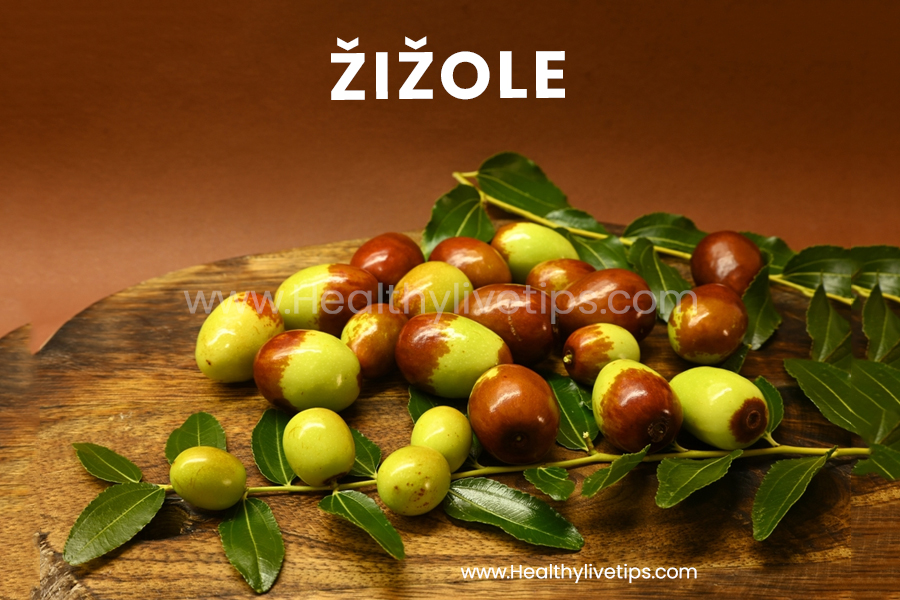
Žižole, also known in English as jujube or sometimes the Chinese date, is a small, round fruit prized for its naturally sweet flavor and crisp texture. This remarkable superfruit has been cultivated for thousands of years, particularly in China, the Mediterranean, and parts of Europe, where it is valued not only as a delicious snack but also for its medicinal and nutritional properties. Often mistaken for a date or miniature apple, žižole packs a surprising array of health benefits, making it a staple in traditional diets and a rising star in modern wellness trends.
From boosting immunity and supporting digestive health to enhancing sleep quality and skin wellness, It is much more than a tasty fruit. Its versatility extends from fresh consumption to dried snacks, herbal teas, syrups, and even culinary creations in both sweet and savory dishes. In this article, we’ll dive deep into everything you need to know about žižole, including its history, nutrition, health benefits, cultivation, culinary uses, and modern applications — all in a friendly, informative way designed to help you make the most of this ancient superfruit.
What Are Žižole?
Žižole are the edible fruits of the Ziziphus jujuba tree, a hardy plant native to China. The fruit begins green and firm, much like a small apple, and ripens into a reddish-brown or deep mahogany color. Its texture is crisp when fresh and chewy when dried, offering a naturally sweet taste that has made it popular in many cultures around the world.
In traditional Chinese medicine, žižole have been valued for their ability to calm the mind, strengthen the digestive system, and nourish the blood. Over centuries, this fruit spread from Asia into the Middle East, Europe, and even parts of North America, adapting to different climates and culinary traditions. Today, it continues to be used in teas, soups, jams, wines, and modern health foods — a true testament to its versatility.
Nutritional Profile of Žižole
One of the reatioxidants, and dietary fiber, this superfruit supports overall health in multiple ways:
-
Vitamin C: Enhances immune function, protects cells from oxidative damage, and promotes healthy collagen production for skin.
-
Potassium: Maintains heart health and helps regulate blood pressure.
-
Iron: Supports red blood cell production and boosts energy levels.
-
Magnesium: Assists in regulating stress, sleep patterns, and muscle function.
-
Dietary Fiber: Promotes digestive health, prevents constipation, and maintains a balanced gut microbiome.
-
Antioxidants, flavonoids, saponins, polyphenols, and polysaccharides: Reduce inflammation, combat oxidative stress, and contribute to long-term wellness.
Because of this rich nutrient composition, žižole is considered a nutrient-dense snack that not only satisfies cravings for something sweet but also provides functional benefits that support the whole body.
Health Benefits of Žižole
Boosting Immunity
With its high Vitamin C content and antioxidant compounds, žižole can strengthen the immune system, helping the body defend against common illnesses like colds and infections. Regular consumption of this superfruit can support overall wellness and energy levels, making it a favorite among health-conscious individuals.
Supporting Digestive Health
The dietary fiber in žižole promotes smooth digestion and helps maintain a healthy gut environment. It acts as a gentle digestive tonic and is often recommended in natural remedies for mild digestive issues. Dried žižole can be included in oatmeal, smoothies, or eaten as a snack to boost fiber intake naturally.
Enhancing Sleep and Reducing Stress
Traditional Chinese medicine has long used žižole as a calming agent. Its natural compounds, including saponins and flavonoids, have mild sedative effects, helping reduce anxiety and improve sleep quality. Herbal teas brewed from žižole are particularly popular for evening relaxation routines.
Promoting Skin Health
Žižole is rich in Vitamin C and polyphenols, which protect skin cells from oxidative damage and support collagen formation. Consuming this superfruit regularly may contribute to youthful, radiant skin while helping the body combat signs of aging.
Balancing Blood Sugar
Despite its naturally sweet taste, it has a low glycemic index, meaning it does not cause rapid spikes in blood sugar. This makes it a healthy snack option for individuals managing diabetes or those seeking balanced diet alternatives.
Culinary Uses of Žižole
One of the most fascinating qualities of žižole is its incredible versatility in the kitchen. This small, naturally sweet fruit can be enjoyed in a variety of ways, each highlighting its unique flavor and texture. From simple snacks to elaborate recipes, žižole seamlessly fits into both traditional and modern diets, making it a favorite for food lovers around the world.
Fresh Žižole
Fresh žižole are crisp, juicy, and lightly sweet, making them perfect for a refreshing snack anytime during the day. Their mild flavor pairs beautifully with other fruits, which is why they are often added to fruit salads, breakfast bowls, or even served alongside cheeses for a simple yet sophisticated treat. Eating them fresh allows you to enjoy their natural nutrients, including vitamin C, fiber, and antioxidants, while savoring their subtle, satisfying crunch.
Dried Žižole
When dried, žižole develop a chewy texture and a deeper, more concentrated sweetness, similar to dates or raisins. Dried žižole are perfect for on-the-go snacking, packed in lunchboxes, or used as a natural sweetener in desserts and baked goods. Their portability and long shelf life make them a convenient option for busy lifestyles, while still delivering the fruit’s health-boosting benefits, including immune support and digestive aid.
Žižole Syrup
Žižole can also be transformed into a rich, flavorful syrup that enhances teas, smoothies, and desserts. This natural sweetener provides a healthier alternative to refined sugar while adding depth and a mild fruity aroma to dishes. Whether drizzled over pancakes, stirred into beverages, or used in baking, žižole syrup is a delightful way to incorporate the fruit’s taste and nutrients into everyday meals.
Žižole Tea
One of the traditional uses of žižole is brewing it into a soothing tea. This warm beverage is often consumed in the evenings to promote relaxation and support restful sleep. The gentle, calming compounds in žižole make it an ideal herbal drink for stress relief, and its naturally sweet flavor means it doesn’t require additional sweeteners. Žižole tea has long been cherished in Asian cultures for its balance of taste and wellness properties.
Smoothies and Energy Bars
For those who lead active lifestyles or need a quick, nutrient-rich snack, it is a perfect addition to smoothies and energy bars. Blended with ingredients like bananas, oats, nuts, and seeds, it provides natural sweetness, fiber, and antioxidants. These preparations are ideal for a pre- or post-workout boost, or simply as a wholesome snack that satisfies hunger while nourishing the body.
Jam, Wine, and Liquor
In Mediterranean and Asian culinary traditions, žižole is often turned into jams, preserves, wines, and liquors. These preparations not only preserve the fruit’s flavor but also highlight its versatility in both sweet and savory dishes. From a homemade jam spread on fresh bread to a zesty wine infused with žižole, the fruit offers endless creative possibilities in the kitchen.
Why Žižole is a Culinary Superstar
The adaptability of žižole makes it a rare fruit that can enhance nearly any dish. Its natural sweetness complements desserts, its subtle flavor enhances savory dishes, and its nutritional benefits make it ideal for modern functional foods. By bridging the gap between traditional recipes and contemporary cuisine, žižole is not just a fruit—it’s an ingredient that elevates both taste and wellness in everyday meals.
Cultivation and Growing Conditions of Žižole
The žižole fruit, produced by the resilient Ziziphus jujuba tree, is not only a delicious and nutrient-rich superfruit but also a hardy plant that thrives in a wide range of environments. Native to China, this remarkable tree has successfully spread to many regions around the world, including the Mediterranean, the Middle East, and select areas in North America. Its adaptability makes it an ideal candidate for both commercial orchards and home gardens, offering fruit that is nutritious, flavorful, and versatile.
Ideal Growing Conditions for Žižole
While the Ziziphus jujuba tree is highly adaptable, certain conditions ensure that it produces high-quality žižole with maximum flavor and nutritional value:
-
Climate: Warm, dry climates are optimal for žižole cultivation. The tree flourishes under consistent sunlight and moderate temperatures, making it particularly well-suited for Mediterranean and subtropical regions.
-
Sunlight: Full sun exposure is crucial. Adequate sunlight not only enhances the natural sweetness of the fruit but also encourages the tree to develop strong branches and dense foliage.
-
Soil Type: Well-draining sandy or loamy soil provides the ideal foundation for growth. While žižole trees can tolerate a variety of soil conditions, poor drainage may lead to root problems and reduced fruit quality.
-
Watering: These trees are naturally drought-tolerant. Moderate watering is sufficient, and overwatering should be avoided to maintain healthy roots and prevent fungal diseases.
-
Harvest Time: Depending on the region, žižole fruits are typically ready for harvest from late summer to early autumn. Fruits mature from green to a reddish-brown or deep mahogany color and develop a firm yet slightly chewy texture.
Farmers and home gardeners alike appreciate žižole for its low-maintenance nature. Unlike many other fruit trees that require frequent care, pruning, or pest management, žižole grows robustly with minimal intervention. Its fruits have a long shelf life, making them easy to store, transport, or enjoy fresh.
Sustainable Farming and Environmental Benefits
In today’s world, where sustainability is increasingly important, žižole stands out as an eco-friendly crop. Its natural drought tolerance significantly reduces water usage, making it ideal for regions facing water scarcity. Additionally, its hardiness minimizes the need for chemical fertilizers, pesticides, or other intensive farming practices.
These environmental advantages make žižole not only a nutritious choice for consumers but also a responsible one for farmers seeking sustainable agricultural practices. Whether cultivated on a commercial scale or in a small home garden, žižole aligns perfectly with eco-conscious farming priorities, helping reduce the carbon footprint and promoting greener food production.
Traditional Uses in Medicine
For thousands of years, žižole has held an important place in traditional Chinese medicine (TCM). Revered for its gentle yet effective health properties, the fruit is often used as a natural sedative to calm the mind, reduce anxiety, and support restful sleep.
Beyond its calming effects, traditional uses of žižole include:
-
Supporting digestion: The fruit is believed to strengthen the digestive system, easing bloating and promoting regular bowel movements.
-
Nourishing the blood: Rich in iron and essential nutrients, žižole has long been used to improve blood health and overall vitality.
-
Promoting longevity: Herbalists have historically valued žižole for its role in supporting long-term wellness and balanced energy levels.
Herbalists often incorporate žižole into teas, tonics, and soups to maximize its natural healing compounds. Its naturally sweet and mild flavor makes it easy to include in daily diets, whether consumed as a standalone snack, brewed in a calming tea, or added to soups and medicinal tonics.
In essence, žižole is not just a fruit—it’s a versatile plant that offers nutritional, culinary, and medicinal benefits, all while being simple to cultivate and environmentally sustainable.
Modern Research and Medicinal Potential of Žižole
In recent years, modern science has started to catch up with centuries of traditional wisdom surrounding žižole. Researchers have discovered that this small yet powerful fruit is packed with bioactive compounds, such as antioxidants, flavonoids, and polysaccharides, which contribute to its impressive health-promoting properties.
Health Benefits Backed by Research
-
Anti-inflammatory effects: Studies suggest that compounds in žižole help reduce internal inflammation, making it beneficial for supporting overall health and potentially easing minor inflammatory conditions.
-
Hepatoprotective properties: Research indicates that žižole may help protect the liver from toxins and oxidative damage, supporting optimal liver function.
-
Immune system support: Thanks to its high vitamin C content and other nutrients, žižole contributes to strengthening the immune system, helping the body defend itself against common illnesses.
-
Calming and sleep-promoting effects: The natural saponins and flavonoids present in žižole can have a soothing effect on the nervous system, helping to reduce anxiety, calm the mind, and improve sleep quality.
-
Oxidative stress reduction: Antioxidants in žižole help protect cells and tissues from oxidative damage, which can slow down the aging process and support long-term health.
These scientifically supported benefits have elevated žižole from a traditional remedy to a modern functional food. Today, it is increasingly incorporated into dietary supplements, herbal wellness products, teas, and superfood blends, offering a natural way to enhance health without relying on synthetic compounds.
Growing Žižole at Home
The beauty of žižole is that it is not only a superfruit for consumption but also a resilient tree that is relatively easy to grow at home. Whether you have a backyard garden, a balcony, or a small patio, cultivating žižole can provide a sustainable source of fresh, nutrient-dense fruit.
Here are some tips for successful home cultivation:
-
Choose the right location: Plant your žižole tree in a sunny spot where it receives full sunlight for most of the day. Sunlight is crucial for producing sweet and flavorful fruits.
-
Prepare well-drained soil: The tree thrives in sandy or loamy soil that drains well. Avoid areas with waterlogging to prevent root diseases.
-
Planting season: The warm season is ideal for planting žižole saplings. This allows the tree to establish itself and adapt to the climate.
-
Watering practices: Moderate watering is sufficient. While žižole trees are drought-tolerant, young saplings benefit from regular watering until their roots are well-established.
-
Pruning and care: Light pruning helps improve air circulation, encourages sunlight to reach inner branches, and supports healthy fruit production.
-
Harvesting the fruits: Žižole are ready for harvest when their skin turns a rich reddish-brown color and the fruits are firm yet slightly tender to the touch. Harvested fruits can be enjoyed fresh, dried, or used in teas, recipes, and natural wellness remedies.
By growing žižole at home, individuals not only gain access to fresh, organic fruits but also enjoy the satisfaction of cultivating a sustainable, eco-friendly source of nutrition. Homegrown žižole can be a consistent addition to a healthy lifestyle, providing both flavor and functional benefits straight from your garden.
Comparison with Other Fruits
Compared to common fruits like apples, dates, and figs, žižole offers a unique combination of nutrition and functional benefits:
| Fruit | Vitamin C (mg/100g) | Fiber (g) | Unique Benefit |
|---|---|---|---|
| Žižole | 69 | 6 | Immune support, sleep improvement, digestive aid |
| Date | 0.4 | 2 | Natural sweetener |
| Apple | 4.6 | 2.4 | Hydration, mild fiber |
| Fig | 2 | 2.9 | Digestive support |
This comparison highlights why žižole is considered a superfruit, offering nutritional density, digestive support, and calming properties not found in many other fruits.
Tips for Buying and Storing Žižole
Whether you’re enjoying žižole for its sweet flavor, nutritional benefits, or medicinal properties, selecting the right fruits and storing them properly is key to maximizing their quality. Here’s a detailed guide to ensure you get the most out of this versatile superfruit.
Buying Fresh Žižole
When purchasing fresh žižole, look for fruits that are firm, smooth, and vibrant in color. The ideal žižole should have a rich reddish-brown hue, indicating ripeness and natural sweetness. Avoid fruits that feel overly soft, wrinkled, or show signs of mold, as these may be overripe or starting to spoil. Choosing fresh, high-quality fruits ensures a crisp texture and optimal nutritional content, including vitamin C, fiber, and antioxidants.
Buying Dried Žižole
Dried žižole are perfect for year-round use, offering a chewy texture and concentrated sweetness. When buying dried fruits, select pieces that are intact, slightly pliable, and free from added sugars or preservatives. Avoid sticky, overly dry, or moldy fruits, as these may indicate improper storage or reduced quality. Properly selected dried žižole retain their natural flavor and health benefits, making them ideal for snacking, baking, or brewing into teas.
Storing Žižole
Proper storage is essential for preserving both the taste and nutritional value of žižole.
-
Fresh Žižole: Store in the refrigerator and consume within one week to ensure peak freshness and flavor. Placing them in a ventilated container can help maintain their texture.
-
Dried Žižole: Keep in a sealed jar in a cool, dark place. When stored correctly, dried žižole can last for several months without losing taste or quality.
By storing žižole correctly, you not only preserve their sweetness and texture but also maintain their natural health-boosting compounds, such as antioxidants, fiber, and vitamins.
Creative Ways to Incorporate Žižole Into Your Daily Diet
One of the best things about žižole is its incredible versatility in the kitchen. From sweet treats to savory dishes, this superfruit can be easily integrated into your daily meals, providing both flavor and nutritional benefits.
1. Breakfast Boost
-
Oatmeal or Yogurt: Slice dried žižole and mix into your morning oatmeal or yogurt for a naturally sweet, nutrient-packed start to the day. The fiber supports digestion, while the natural sugars provide energy.
2. Smoothies
-
Blend fresh žižole with bananas, almond milk, and a drizzle of honey for a creamy, antioxidant-rich smoothie. This combination delivers a refreshing and energizing drink, perfect for a mid-morning boost or post-workout snack.
3. Energy Snacks
-
Žižole Energy Balls: Chop dried žižole and combine with oats, nuts, seeds, and a touch of honey. Roll into bite-sized balls for a convenient, nutrient-dense snack. These energy balls are perfect for busy lifestyles, providing sustained energy without refined sugar.
4. Herbal Teas
-
Brew dried žižole in hot water to create a calming, soothing tea. Often enhanced with cinnamon or ginger, this herbal drink can promote relaxation, support digestion, and improve sleep quality.
5. Cooking and Baking
-
Savory Dishes: Add sliced žižole to stews, soups, or roasted vegetables for a subtle, natural sweetness that complements spices and herbs.
-
Sweet Treats: Incorporate žižole into compotes, cakes, or breads to enhance flavor and add a nutritional punch.
By creatively using žižole in meals and snacks, it’s easy to enjoy its health benefits every day. From boosting immunity to supporting digestion and providing long-lasting energy, this superfruit is a simple, delicious way to enhance overall wellness.
Traditional Culinary Uses of Žižole Around the World
Žižole is a fruit with a rich history of culinary and medicinal use, cherished across multiple cultures for centuries. Its naturally sweet flavor, chewy texture, and nutritional benefits have made it a staple ingredient in both Asian and Mediterranean cuisines. Let’s explore how different regions have incorporated this superfruit into their traditional dishes.
Asian Cuisine
In Asia, žižole has been valued not just for its taste but also for its functional health properties. Traditional Asian recipes often use žižole to combine flavor with wellness:
-
Herbal Soups: In China and Korea, žižole is commonly added to herbal soups along with ingredients like ginseng, goji berries, or red dates. These soups are believed to strengthen the immune system, enhance energy, and promote overall vitality.
-
Sweet Syrups: Žižole is boiled into natural syrups used to sweeten desserts, drinks, and teas. This practice allows people to enjoy the fruit’s sweetness without relying on refined sugars.
-
Dried Snacks: Dried žižole are a convenient, portable, and nutrient-rich snack. Families often give them to children and adults alike for a quick energy boost while benefiting from the fruit’s vitamins, minerals, and antioxidants.
This long-standing use highlights the dual purpose of žižole in Asia: a flavorful ingredient and a natural health booster.
Mediterranean and European Cuisine
Across the Mediterranean and parts of Europe, žižole—sometimes called žižula in Croatia and Italy—has been embraced for both culinary creativity and traditional recipes:
-
Jams and Preserves: Sweet and tangy, žižole jams and preserves are often paired with bread, pastries, or cheese plates. The natural sweetness enhances desserts and complements savory accompaniments.
-
Wines and Liquors: In Mediterranean countries, žižole is sometimes fermented to create liqueurs or infused wines, adding a distinct fruity aroma and subtle sweetness to beverages.
-
Baked Goods: Cakes, breads, and pastries often feature žižole for its natural sweetness and chewy texture. Incorporating the fruit reduces the need for additional sugar, making desserts healthier while keeping them delicious.
Through these culinary traditions, žižole serves as a bridge between historical recipes and modern dietary preferences, offering versatility in both sweet and savory creations.
Incorporating Žižole into a Modern Lifestyle
Today, žižole has seamlessly transitioned into modern diets, especially for those who prioritize health, wellness, and convenience. Its versatility allows it to be integrated in numerous ways to support a balanced lifestyle:
-
Smoothie Powders and Energy Bars: Dried žižole can be ground into powders or combined with nuts and oats to create nutrient-rich, portable snacks. These are ideal for on-the-go energy without relying on artificial ingredients.
-
Herbal Teas and Supplements: Brewed žižole tea is not only flavorful but also calming, supporting better sleep and stress reduction. Additionally, žižole extracts are often included in natural supplements to boost immunity and overall wellness.
-
Daily Snacking: Fresh or dried, žižole is a naturally sweet, low-glycemic snack. Families can include it in lunchboxes, while athletes and busy professionals can enjoy it as a healthy energy booster.
-
Cooking and Baking: Žižole can enhance both savory and sweet dishes. Adding it to stews, soups, salads, or baked goods introduces subtle sweetness, extra fiber, and antioxidants, transforming everyday meals into nutrient-packed experiences.
Integrating žižole into modern lifestyles allows individuals and families to enjoy its natural flavor while reaping health benefits. Whether it’s in traditional recipes, contemporary snacks, or functional beverages, this superfruit offers a simple, delicious way to maintain energy, support digestion, and promote overall wellness.
Conclusion
Žižole, also known as jujube or the Chinese date, is more than just a naturally sweet and delicious fruit—it is a nutritional powerhouse with a rich history in traditional medicine and cuisine. From boosting immunity and supporting digestion to promoting restful sleep and enhancing skin health, this versatile superfruit offers a wide range of benefits for modern lifestyles. Whether enjoyed fresh, dried, in teas, syrups, or culinary creations, žižole bridges the gap between traditional wisdom and contemporary wellness practices. Easy to grow, eco-friendly, and adaptable in the kitchen, žižole is a simple yet effective way to enrich your diet, support overall health, and bring a touch of ancient nutrition into your everyday meals.
FAQs About Žižole
1. Can Žižole Help With Sleep?
Yes, compounds like saponins and flavonoids in žižole may promote relaxation and improve sleep quality.
2. Are Fresh or Dried Žižole Better?
Both are beneficial. Fresh fruits are lower in sugar and higher in Vitamin C, while dried žižole are convenient and long-lasting.
3. Can Children Eat Žižole?
Yes, but ensure dried žižole is sliced or mashed for toddlers to prevent choking.
4. Can You Grow Žižole at Home?
Absolutely. With sunny locations, well-drained soil, and minimal maintenance, home cultivation is straightforward.
5. How Should You Store Žižole?
Fresh fruits should be refrigerated and eaten within a week. Dried fruits should be stored in a cool, dark, sealed container.
Stay ahead by staying connected with us for alerts and updates: Healthy Live Tips!